
Fuel Surge Tanks
Fuel Surge Tanks
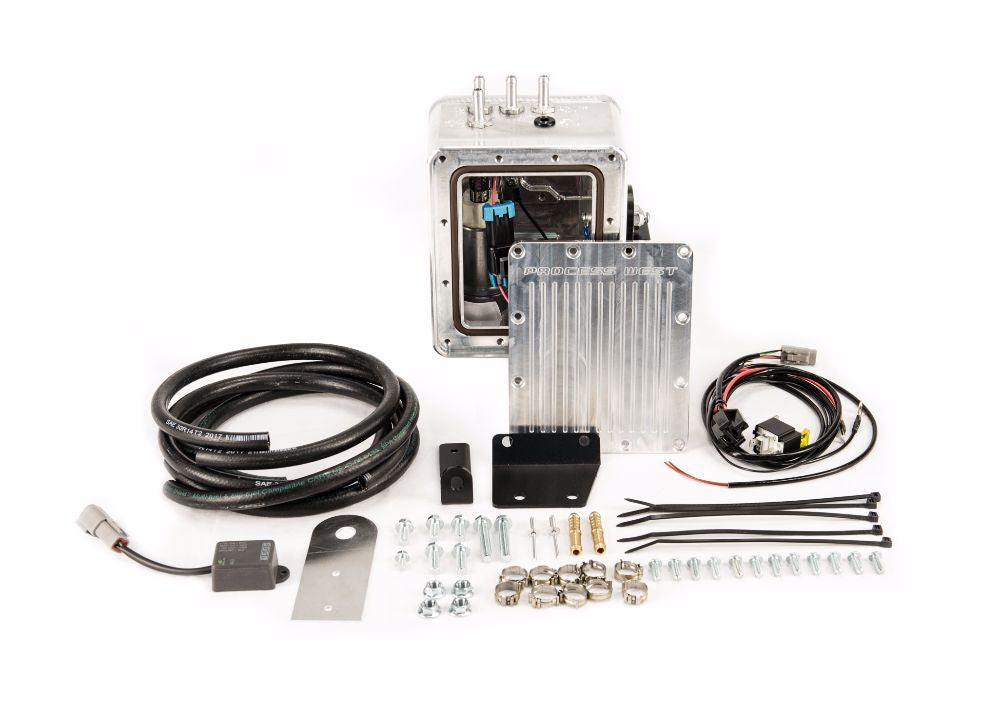
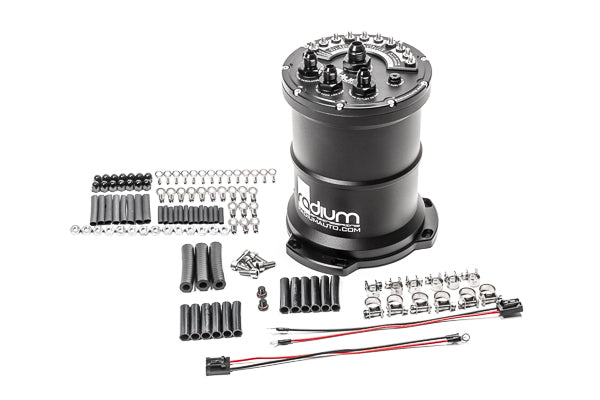
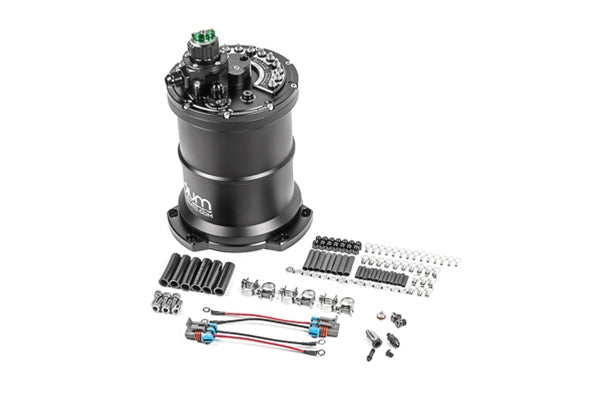
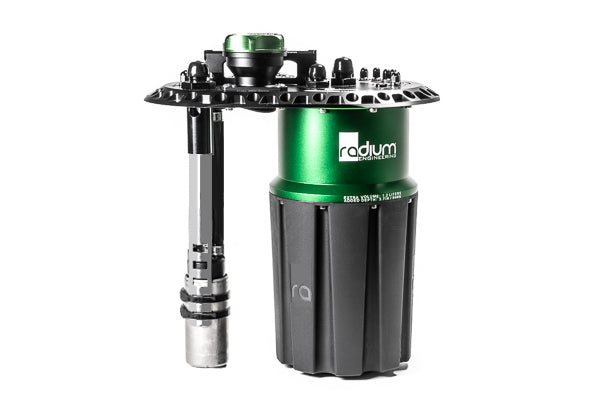
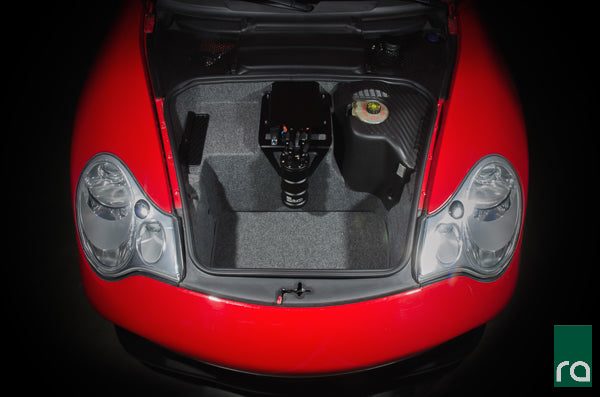
Fuel surge tanks keep your pumps fed when the fuel in the main tank slops away from the pickup under hard cornering, braking and launches. We stock surge tank kits and standalone tanks in single and dual pump configurations, plus the mounting brackets and fittings that go with them. Owners buy these for anything from a low-fuel track day at Wakefield through to high-power E85 builds running at The Bend.
Shop by Vehicle
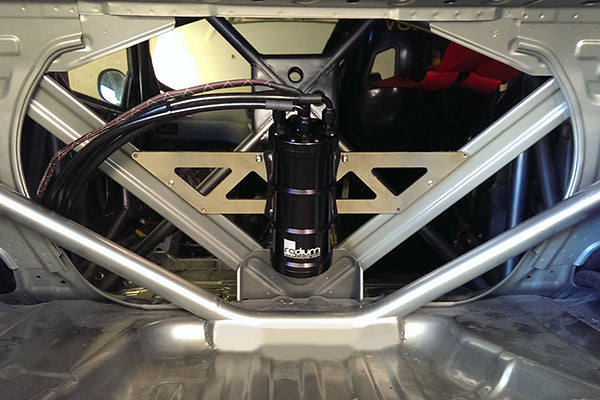
Surge tanks come in two broad types: universal tanks that mount in the boot or engine bay, and chassis-specific kits designed to bolt into a factory location on platforms like the Subaru WRX and STI, Toyota GR86 and BRZ, Nissan 350Z and 370Z, Mazda MX-5 and the Honda Civic Type R. Universal tanks suit almost any car provided there is room to mount them safely and plumb the return back to the main tank. Check the individual product listing for the exact chassis and years each kit is designed around.
Shop by Product Type
- Single pump surge tanks for street and club-level builds
- Dual pump surge tanks for high-power and E85 applications
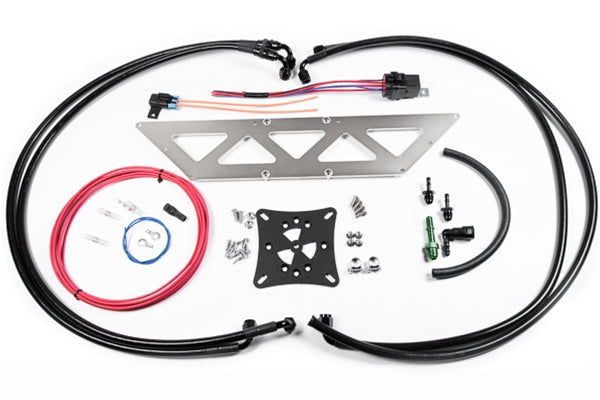
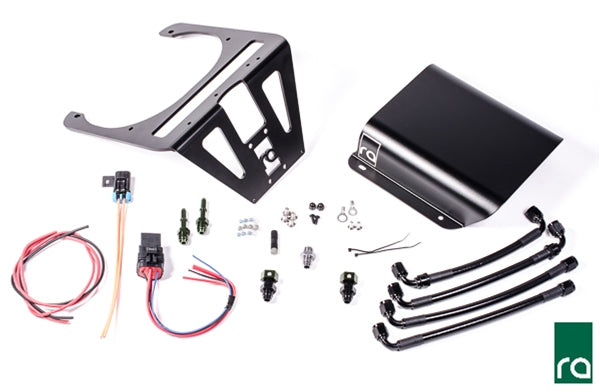
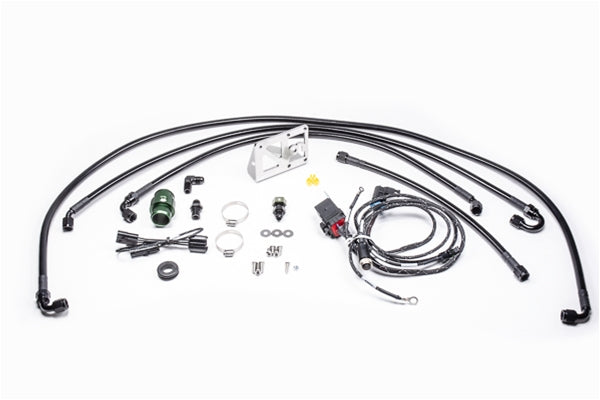
- Surge tank kits supplied with pumps, fittings and brackets
- Standalone tanks for owners reusing existing pumps
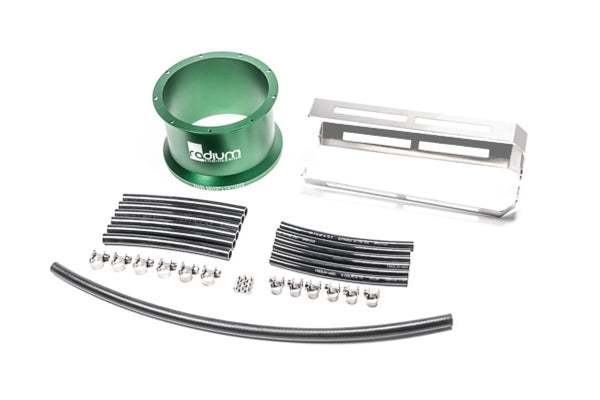
- Mounting brackets, lids and replacement seals
Why a Fuel Surge Tank
A factory in-tank pump relies on the fuel sitting over the pickup. Once the level drops below roughly a quarter tank, sustained corners and heavy braking can pull air into the pump and lean the engine out. A surge tank sits between the lift pump and the main pumps, staying full at all times so the high-pressure pumps never see air.
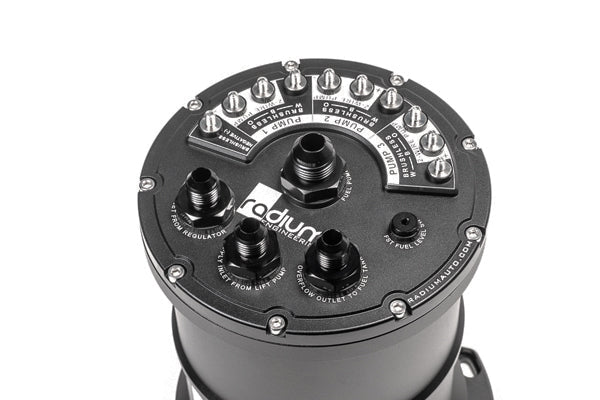
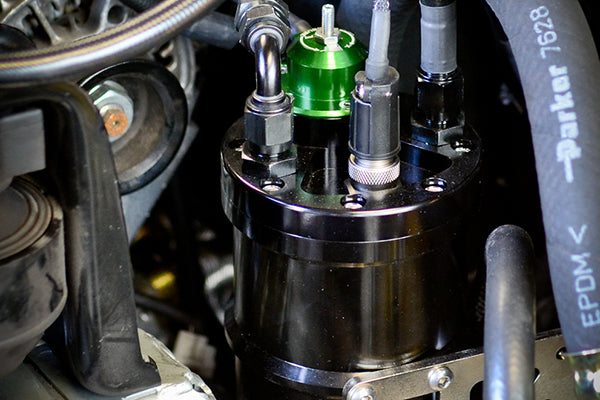
We choose to carry brands with a real engineering record in this category, Radium Engineering in particular, because the details matter: internal baffling, weld quality, ORB port sizing and pump compatibility all decide whether a tank actually solves the problem. Capacity matters less than most people expect. Around one litre is enough for most applications, since the tank only needs to cover the seconds the pickup is uncovered.
Fitment & Installation
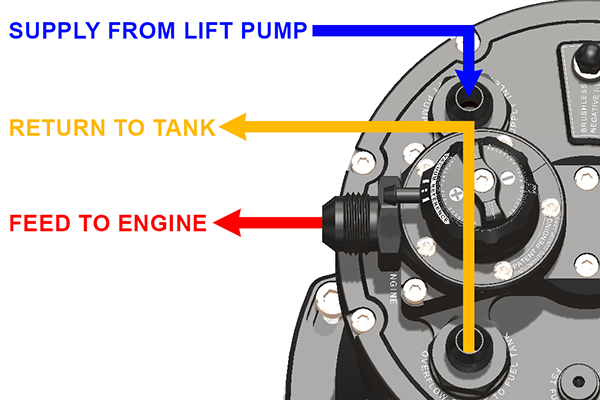
Most surge tank installs need a low-pressure lift pump (often the factory in-tank pump), feed and return lines, a mounting point that is secure and away from heat, and fittings to match the tank's ORB ports. Dual pump setups usually pair with a larger fuel line and a regulator sized for the flow. Installers generally return the surge tank overflow to the main tank rather than to the feed line, so trapped air can escape.
If the tank is mounted in the boot or cabin, check your state's requirements and your circuit's regulations before committing to a location. Fuel work is best left to a qualified installer. Chicane supplies parts only and does not offer fitting.
Pair with the rest of your build
- Fuel Pumps for lift and high-pressure duties
- Fuel Pump Hangers to run larger in-tank pumps
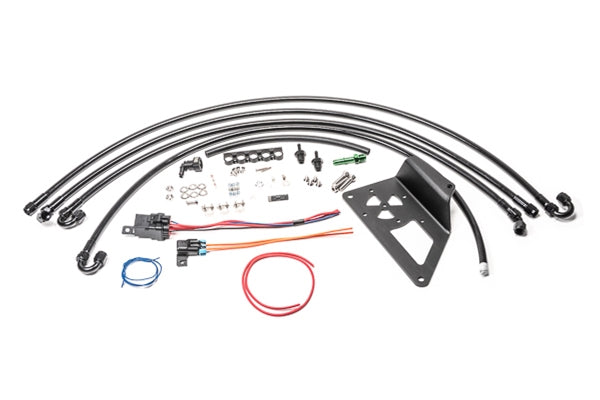
- Fuel Line Kits for feed and return plumbing
- Fuel Pressure Regulators to set base pressure
- Fuel Filters and Fuel System Accessories
- Fuel Injectors and Fuel Rails to finish the upgrade
- Browse the full Fuel System range
FAQ
Do I need a surge tank on a street car?
Usually not. Surge tanks earn their keep on cars that see sustained cornering loads, drag launches or low fuel levels on track. A standard road car with a healthy in-tank pump rarely has an issue.
How big should the tank be?
Roughly one litre suits most applications. The tank only has to keep the pumps fed for the few seconds the main tank pickup is uncovered, so bigger is not automatically better.
Can I reuse my factory fuel pump?
In many builds the factory in-tank pump becomes the low-pressure lift pump feeding the surge tank, with the high-pressure pumps mounted in or on the tank. Confirm flow is adequate for your target power with your tuner.
Are these compatible with E85?
Most quality surge tanks and their seals are rated for ethanol blends, but check the individual listing. Pump and fitting choice matters just as much.
Do you ship Australia-wide?
Yes, we ship nationwide. Contact us if you need help matching a tank to your pumps.
Not sure which configuration suits your setup? Get in touch and we will point you to the right tank for your pumps and power target.