
Charge Pipes
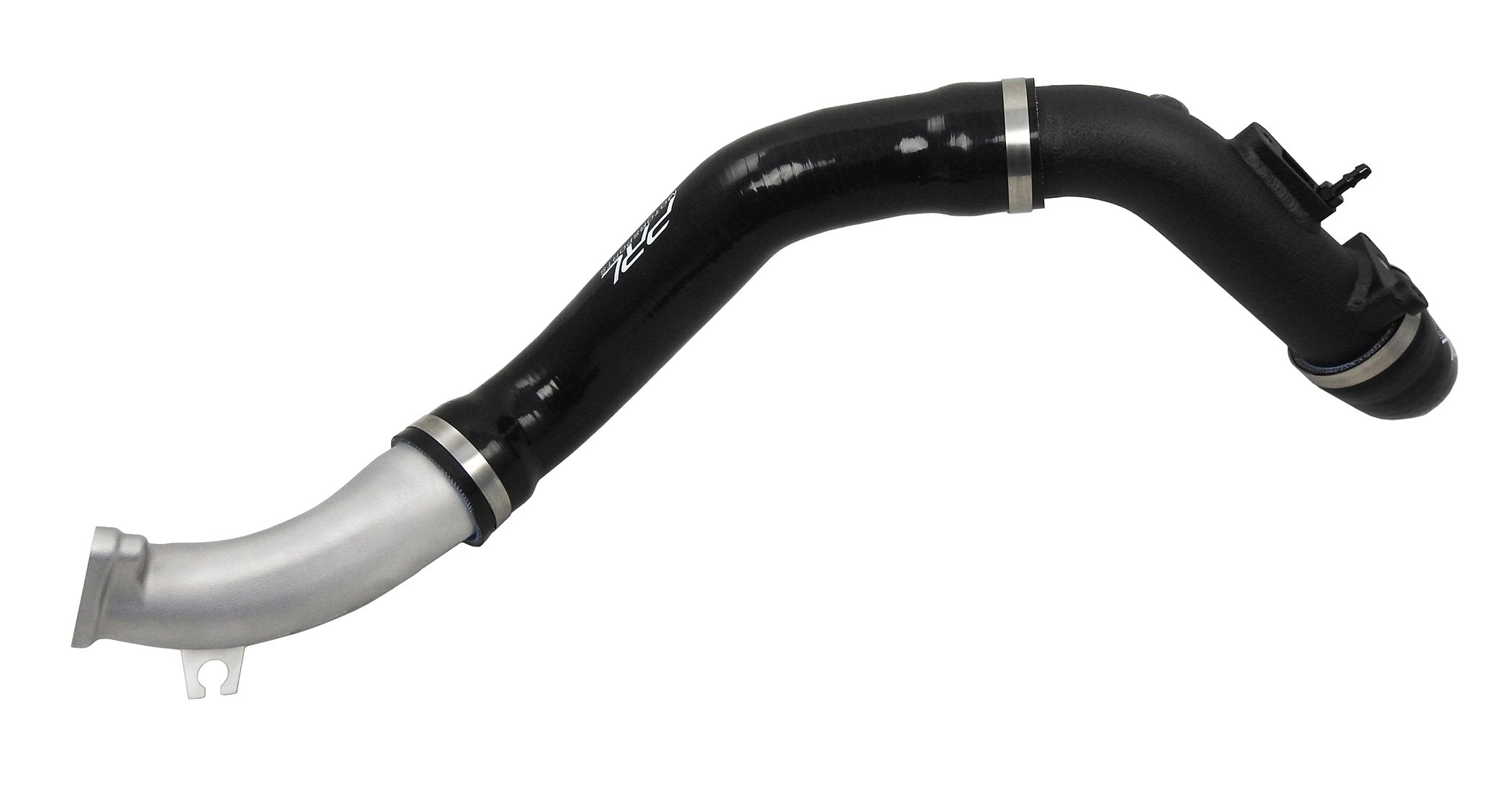
Charge pipes carry boosted air from the turbo to the intercooler and on to the throttle body, and on a lot of modern turbo cars that job is done by moulded plastic that goes brittle with heat and age. We stock alloy replacements because a split pipe or a blown coupler is one of the most common causes of a sudden boost leak and limp mode. The range covers direct-fit upgrades for popular European and Japanese turbo platforms, from daily-driven stock-turbo cars through to built setups seeing track days at Sydney Motorsport Park and The Bend.
Shop by Vehicle
Charge pipe fitment is very platform-specific. The range typically covers BMW N54, N55 and B58 (135i, 335i, M135i, M140i, M240i), VW/Audi EA888 cars such as the Golf GTI, Golf R, S3 and TT, Subaru WRX and STI, Mitsubishi Lancer Evolution, Hyundai i30 N, Ford Focus RS and Mustang EcoBoost, and Toyota GR Supra. Use the vehicle filters on this page to narrow the list to your chassis and engine code.
Shop by Product Type
You'll find hot-side (turbo to intercooler) pipes, cold-side (intercooler to throttle body) pipes, full front and rear charge pipe kits, replacement silicone couplers and clamp hardware, and pipes with a blow off valve flange or sensor bung already welded in. Some kits include a BOV adapter; others expect you to reuse the factory diverter valve.
Why upgrade your charge pipes
The factory pipe on many turbo cars is plastic with a moulded-in fitting that cracks at the weakest point, usually near the throttle body or the diverter valve. An alloy pipe removes that failure point, holds up to higher boost and heat, and generally uses better couplers and T-bolt clamps than the spring clips it replaces. Mandrel-bent alloy also tends to keep or improve on the factory internal diameter, so it is not a power part on its own. Treat it as reliability insurance that lets a tune, bigger intercooler or upgraded turbo actually hold the boost you asked for. We choose to stock pipes that keep the OEM sensor locations and mounting points, because pipes that force you to delete a sensor create more problems than they solve.
Fitment & Installation
Check your engine code and build year before ordering, not just the model name. Facelift cars, AU-delivered RHD variants and different transmission options can change routing and bracket positions. Also confirm whether the kit suits a stock intercooler or an aftermarket front mount, as the outlet position often differs.
Most charge pipe jobs are bolt-on with hand tools, though some require removing the intake, airbox or undertray to get access. Installers usually recommend replacing any tired couplers and clamps at the same time, retaining the factory MAP or IAT sensor and o-ring, and checking for boost leaks afterwards. Torque T-bolt clamps evenly and re-check them after a heat cycle or two.
Pair with the rest of your build
FAQ
Will a charge pipe add power on its own?
Not usually. It restores and protects airflow rather than adding it. The gain comes from removing a failure point so a tune or bigger turbo can run reliably.
Do I need a hot side and a cold side pipe?
Only if both are a known weak spot on your platform. On many cars the plastic cold-side pipe near the throttle body fails first, so plenty of owners start there.
Can I keep my factory blow off or diverter valve?
On most kits, yes. Some pipes include a flange for an aftermarket BOV instead, so check the product description for which valve it is designed around.
Does it fit my year and trim?
Match your engine code, build year and intercooler setup to the listed fitment. If you are unsure, send us your VIN and we'll confirm before you order.
Do you ship Australia wide?
Yes, we ship to all states and territories, including regional addresses.
Not sure which pipe suits your setup? Get in touch and we'll help you match the right kit to your car.