
Chassis Bracing
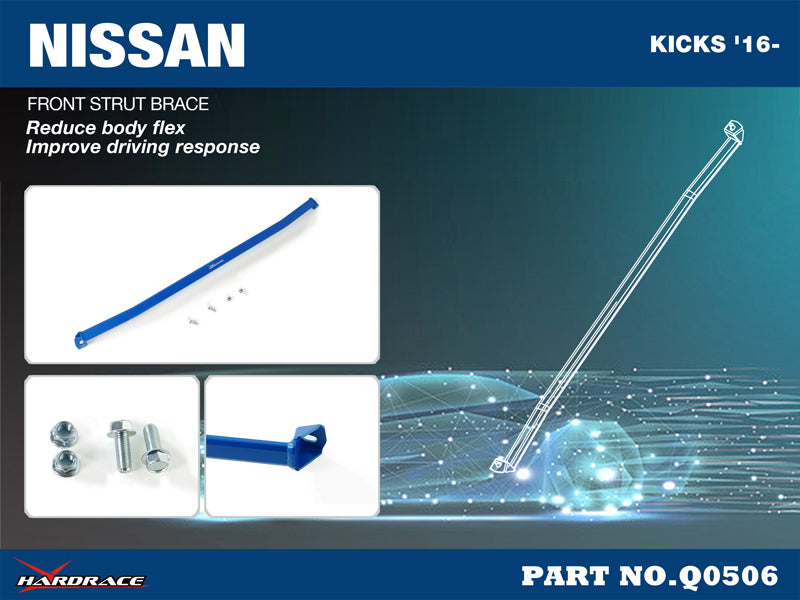
Chassis bracing ties the strongest points of your body shell together so the suspension works against a stable platform instead of a flexing one. We stock strut tower braces, subframe braces and chassis stiffeners for Japanese and European platforms, from daily hatches to cars built for Sydney Motorsport Park and The Bend. If springs, dampers and sway bars are sorted but the car still feels vague through quick direction changes, flex is usually what is left.
Shop by Vehicle
Bracing in this range covers popular platforms including Subaru WRX and STI, Toyota GR86 and Subaru BRZ, Nissan Silvia and 200SX, Mazda MX-5, Honda Civic and Integra, and a number of VW and Audi models. Fitment is chassis-code specific and often body-style specific, so match the code on the listing (for example GDB versus GRB, or NA versus NB MX-5) before ordering.
Shop by Product Type
Front strut tower braces, rear strut braces, front and rear subframe braces, floor and chassis stiffener bars, and engine bay cross braces. Some platforms also run under-bonnet brace and cover combinations shaped to clear factory cooling hardware. Two-point bars tie the towers only; three-point designs add a firewall or bulkhead mount and resist twist as well as spread.
Why Chassis Bracing
A unibody flexes more than most drivers expect, and stiffer springs only make it obvious. Bracing adds rigidity where the load is highest: strut towers under cornering and braking, and subframe mounting points under power and lateral grip. Owners on coilovers or bigger sway bars notice it most, because a soft factory setup hides what a firm one exposes. Honest trade-off: bracing sharpens turn-in response and consistency, it does not add grip on its own, and rear bars can transmit more noise into the cabin. It supports good springs, dampers and alignment rather than replacing them.
Fitment & Installation
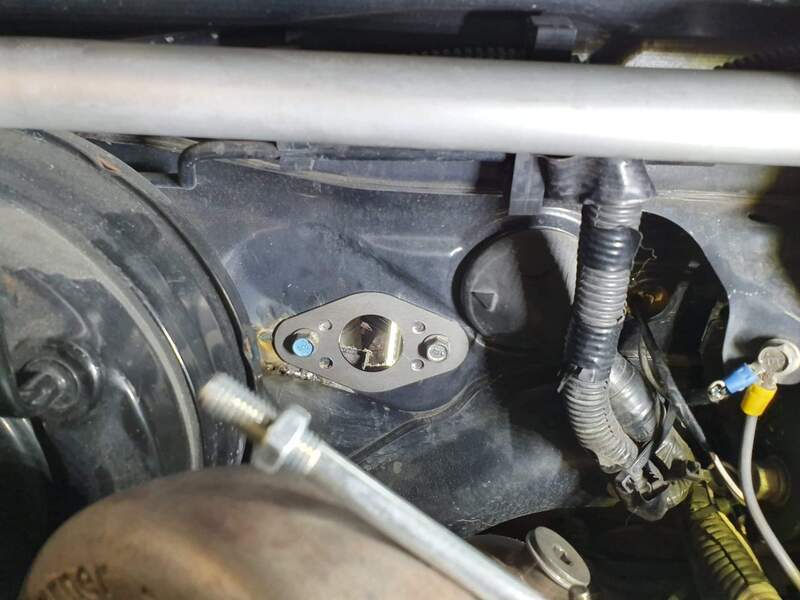
Most strut braces bolt to existing factory strut top studs with no cutting or drilling. Subframe braces and stiffeners work off underbody mounting points and can need heat shields or splash trays moved out of the way first. Hand tools, a jack and stands, and a torque wrench cover the majority of installs. AU-delivered RHD cars can differ from JDM or Euro-market layouts around the brake booster, ABS block and washer bottle, so check the clearance notes on the listing against your car. Owners report that torquing strut top nuts back to spec matters more than most people think. If a brace shares a mount with a camber plate or adjustable arm, plan an alignment afterwards.
Pair with the rest of your build
FAQ
Will a strut brace fit under my factory bonnet?
Most are designed around standard bonnet clearance. Tall centre sections can foul a low-profile or aftermarket bonnet, and cars with a raised intake or relocated catch can also be tight, so read the clearance notes on the listing.
Do I need an alignment after fitting chassis bracing?
Usually no. Strut and subframe braces do not change geometry on their own. If the brace stacks onto a camber plate or adjustable top mount, get it checked.
Can I run chassis bracing with factory suspension?
Yes. The change is subtle on soft standard springs and much clearer once you move to coilovers or stiffer bars.
Front or rear brace first?
Front strut tower bracing generally gives the most noticeable gain in steering feel. Rear bracing suits cars already on stiff springs or seeing track use.
Do you ship chassis bracing Australia-wide?
Yes, all chassis bracing ships nationwide.
Send us your chassis code if you want help matching the right brace.





SKU: PRL-FL5-STRUT-FRONT