
Brake Wear Sensors
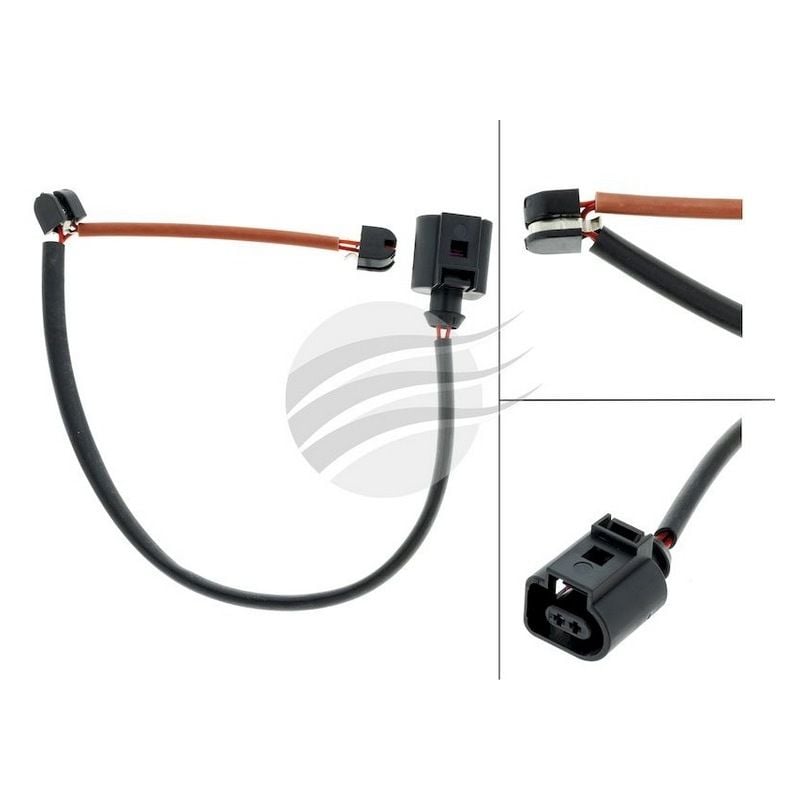
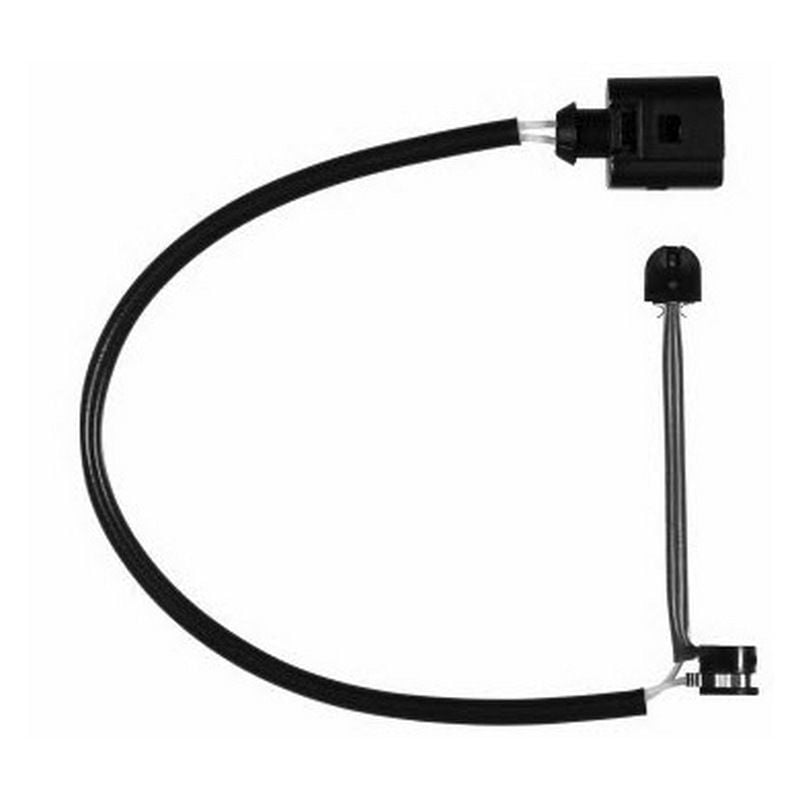
Brake wear sensors are the part most people forget until the dash lights up. We stock replacement sensors that match OE resistance and connector specs, so the warning behaves the way the factory intended instead of throwing a false alert. The range suits owners doing a straight pad replacement on a daily driven car, and those stepping up to a performance compound before a run at The Bend.
Shop by Vehicle
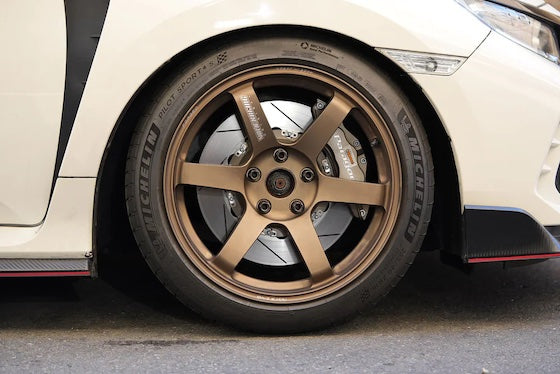
Factory wear sensors are most common on European platforms: Audi, BMW, Mercedes-Benz and Volkswagen all use them across most models, usually on one axle rather than both. A smaller number of Japanese performance cars run factory wear indicators as well. Sensor length, connector shape and mounting position change between model years and brake packages, so check your build date and whether the sensor sits front or rear before ordering.
Shop by Product Type
The collection covers OE-style direct replacement sensors and universal sensors for aftermarket pad swaps. Most are sold individually or as an axle pair. Owners replacing pads at the same time usually order a sensor alongside fresh brake pads so the indicator reads correctly from the first drive.
Why Brake Wear Sensors
It is a small, cheap part with an outsized job. The wrong sensor either kills the warning completely or triggers a fault that has owners pulling wheels off chasing nothing. Resistance value and connector type matter more than looks, and a generic part that plugs in is not always a part that reads correctly. We choose sensors that match factory electrical specs, which is the only thing the car's module actually cares about.
Worth knowing: a wear sensor is a warning device, not a measuring tool. It only tells you when the pad has worn far enough to cut the loop. Anyone tracking a car should still measure pad thickness by eye rather than waiting for the light.
Fitment & Installation
Most sensors clip into a slot on the pad backing plate or a bracket on the caliper carrier, with the wire routed back to the factory harness plug. Fitment depends on axle and sometimes on whether the car left the factory with the sensor-equipped brake package, so confirm model, year and brake variant first. AU-delivered cars are not always identical to overseas-market examples, and a mid-cycle update can change the connector.
The job usually takes no more tools than a standard pad change. Installers generally route the wire clear of the rotor and suspension arms, clip it into the original retainers, and check continuity with a multimeter before refitting the wheel. Anyone fitting aftermarket pads should confirm the new pad has a sensor slot in the same position as the original.
Pair with the rest of your build
FAQ
Will the dash warning clear once a new sensor is fitted?
Usually. With the new sensor wired in and pad thickness back within spec, most cars clear the light on the next drive cycle. Some need an ignition cycle or a reset through the service menu.
Do I need a new sensor every time I change pads?
Not always. If the old sensor has not worn through and the new pads use the same slot, it can often be reused. Once the tip has been cut by the rotor, it is done.
Can I run aftermarket pads that have no sensor slot?
Some performance pads omit the slot. In that case the sensor is usually zip-tied clear or the circuit is left as-is, and the warning simply will not function. Check pad compatibility before ordering.
Do you ship Australia-wide?
Yes, we ship to all states and territories.
Not sure which sensor suits your car? Send us your model, year and brake variant and we'll point you to the right one.