
Turbo Inlets
Turbo Inlets
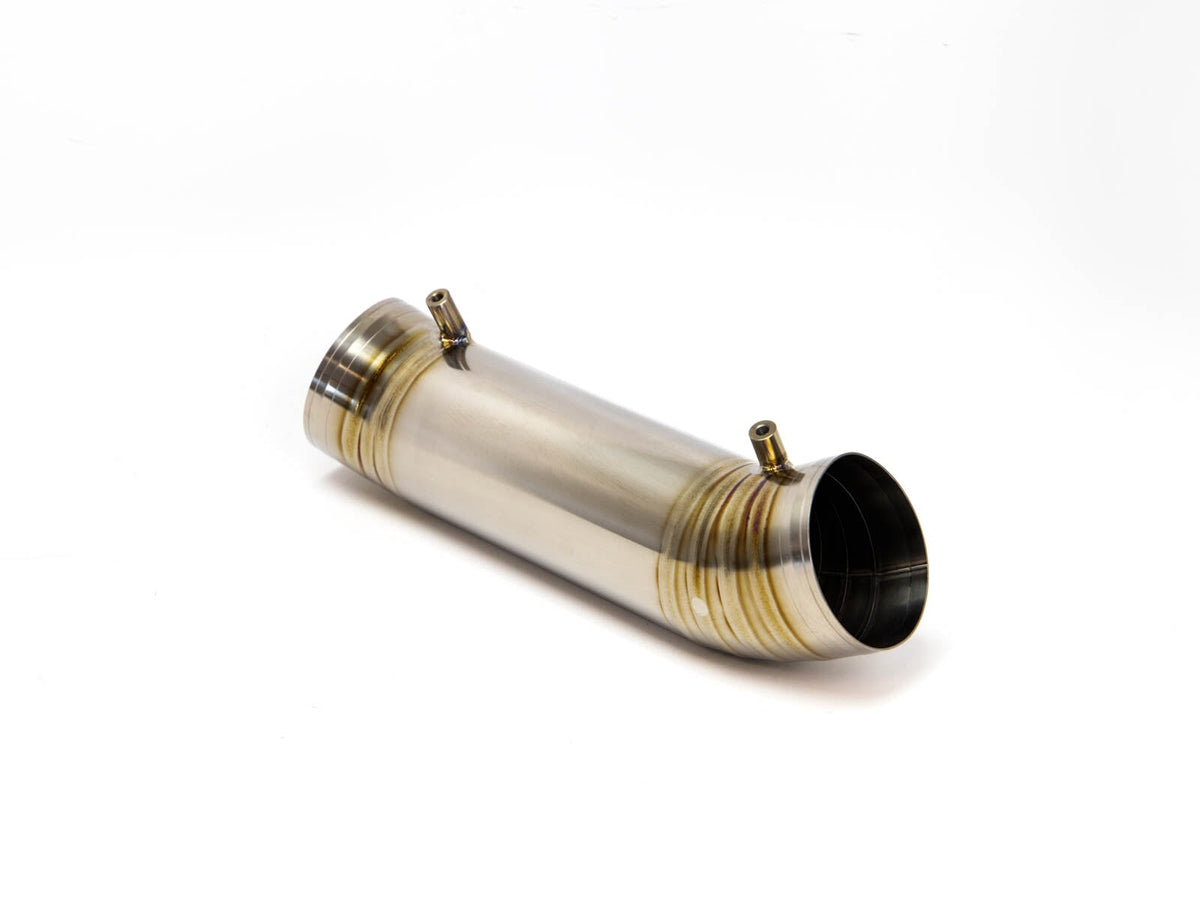
Turbo Inlets are the short section of pipe feeding your compressor, and on most factory turbo cars it is one of the first restrictions worth deleting. The stock part is usually a moulded plastic or rubber piece with a step, a lip or an accordion section that upsets airflow into the wheel. We stock smooth-bore cast, alloy and silicone replacements with proper recirculation and breather ports, chosen because they suit real builds: a daily WRX on a light tune through to a big-power build heading to The Bend.
Shop by Vehicle
The range covers Subaru WRX and STI (both EJ and FA20DIT), Mitsubishi Lancer Evo, Volkswagen Golf GTI and R, Audi S3, Ford Focus RS and ST, Toyota GR Yaris and GR Corolla, Honda Civic Type R, Hyundai i30 N and a range of Nissan and BMW turbo platforms. Fitment is turbo-specific, so check the listing against your exact engine and turbo combination before ordering.
Shop by Product Type
- Cast and CNC alloy turbo inlets for factory and aftermarket turbochargers
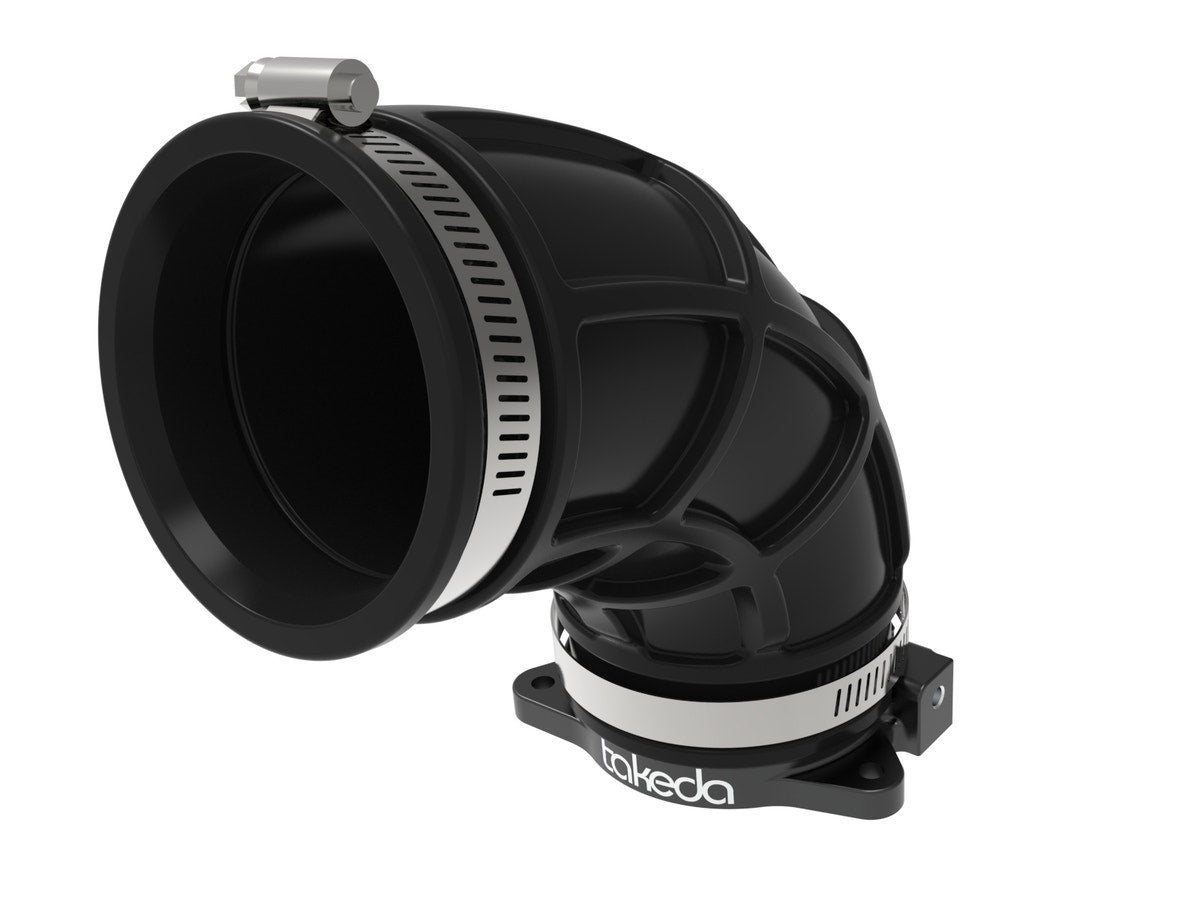
- Silicone inlet hoses replacing soft or collapsing OEM rubber
- Inlets with integrated recirculation and PCV/breather ports
- Inlets sized for larger compressor covers on upgraded turbos
- Hardware, clamps and adaptor fittings sold as turbo accessories
Why upgrade your turbo inlet
Factory inlets are built for cost, packaging and noise, not flow. Removing the internal step and smoothing the bore reduces turbulence right where the compressor is most sensitive to it. On a stock turbo the gain is modest and mostly shows as better spool consistency and a cleaner air path. On an upgraded turbo, an undersized inlet becomes a genuine limit, which is why most bigger-turbo packages call for a matched inlet. Cast and alloy parts also hold shape under vacuum, where tired rubber inlets can soften and pull in.
We choose to carry inlets that use correct port sizes for factory breather and recirc lines, so nothing has to be capped off or bodged.
Fitment & Installation
Match the inlet to your turbo, not just your car. A WRX inlet for a factory VF-series turbo will not suit a large aftermarket compressor housing, and some listings are specific to model year or to AU-delivered RHD cars where the intake path and battery placement differ. Check the ports too: if your car has a MAF sensor or an extra breather takeoff, the inlet needs a boss for it.
Most installers find it a one to two hour job with the intake and airbox out of the way. Budget for new clamps, a fresh gasket or O-ring where the inlet meets the turbo, and silicone couplers if the kit does not include them. Cars running MAF sensors may need a tune check afterwards if the inlet diameter changes.
Pair with the rest of your build
- Cold air intakes and air filters to finish the inlet path
- Turbochargers and turbo accessories
- Blow off valves, diverter valves and BOV accessories
- Intercoolers and charge pipes on the hot side
- Wastegates and boost controllers for boost control
FAQ
Will a turbo inlet add power on a stock car?
On its own, very little. It removes a restriction and helps airflow into the compressor, but the real gains show up alongside a tune, an intake and a larger turbo.
Does it fit my year and trim?
Check the listing against your engine code, turbo and model year. Some inlets are specific to AU-delivered RHD cars or to a particular turbo housing. Send us your build details if you are unsure.
Do I need a retune after fitting one?
MAF-based cars can read differently if the inlet bore or sensor position changes, so a tune check is sensible. Speed-density setups are usually unaffected.
Do you ship Australia-wide?
Yes, we ship to every state and territory, including regional addresses.
Not sure which inlet suits your turbo? Contact us with your car and setup and we will point you to the right one.
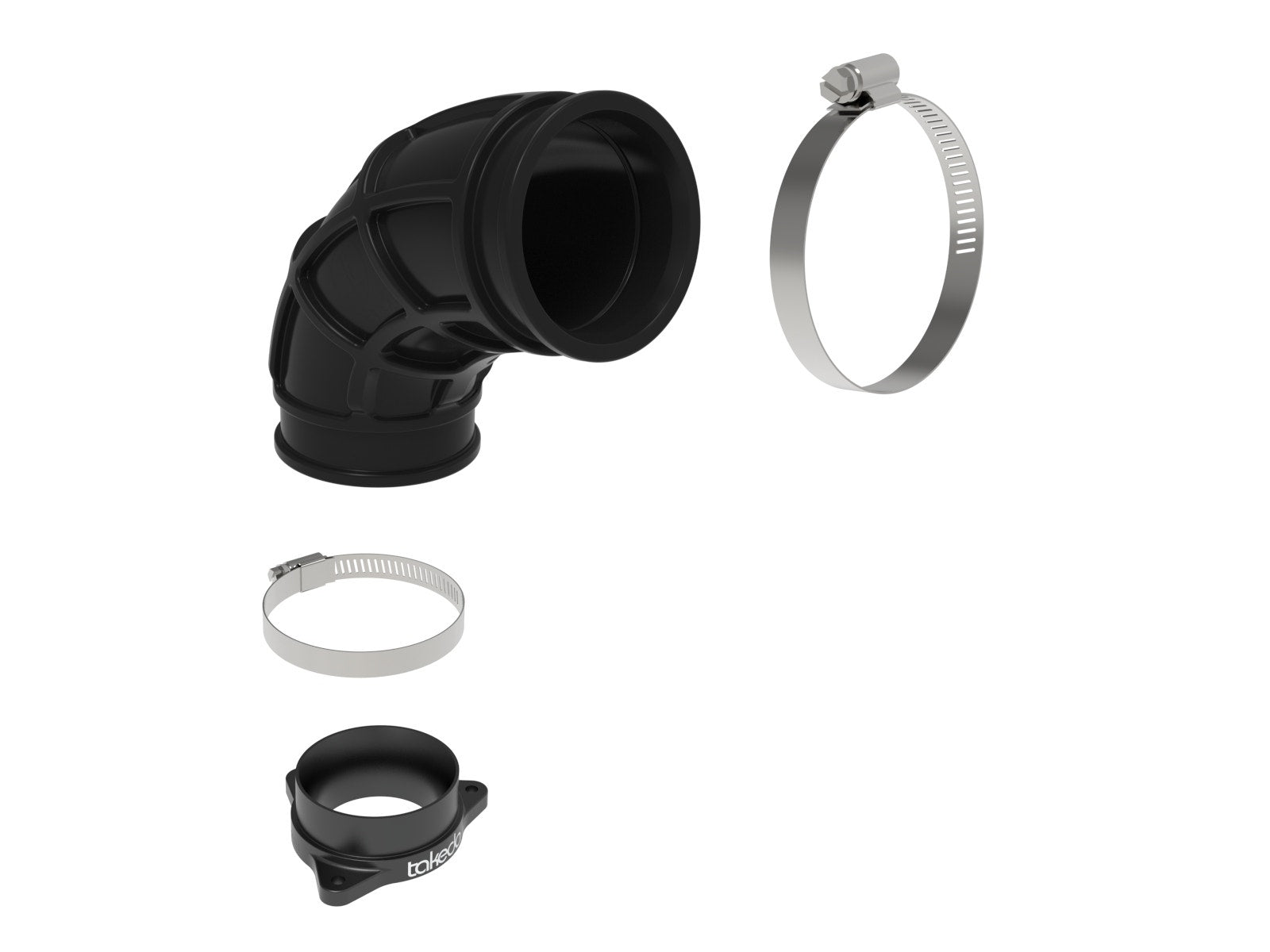


SKU: PRL-FL5-INT-TIP-HVI


SKU: PRL-HCR-INT-TIP-A


SKU: PRL1.1046.1.CARM