Fuel Filters
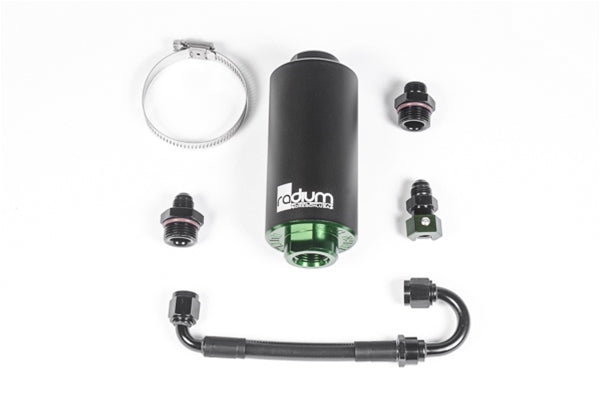
Fuel Filters are the cheapest insurance in a fuel system, and the first thing to look at when a car runs lean or a pump starts sounding unhappy. We stock inline and in-tank filters built for high flow, ethanol blends and repeat servicing, with replaceable elements instead of throwaway cans. The brands we choose to carry are the ones that publish micron ratings and sell spare elements years later, which matters on a car that sees regular track days.
Shop by Vehicle
The range suits most popular performance platforms, including Subaru WRX and STI, Nissan Skyline GT-R and 350Z, Toyota Supra, GR Yaris and GR86 / BRZ, Mazda RX-7 and MX-5, Honda Civic Type R, Mitsubishi Evo, and VW Golf GTI and R. Many inline filters are universal and sized by AN fitting rather than by car, so check the inlet and outlet against your existing fuel lines.
Shop by Product Type
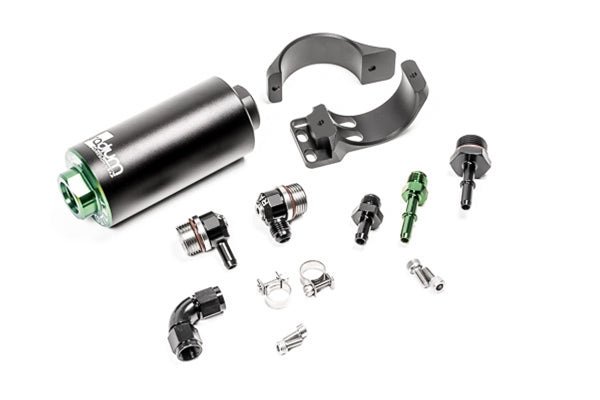
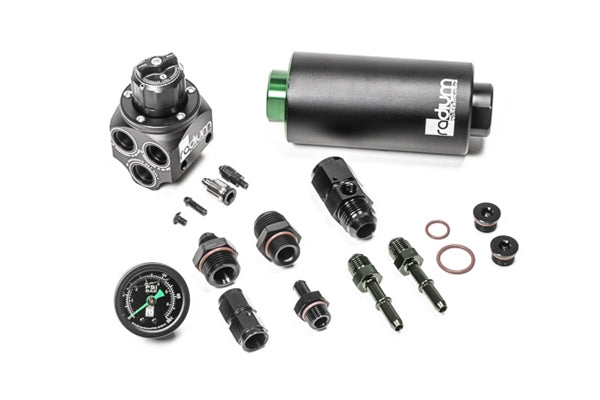
- Inline filters with AN male or ORB ports for surge tank and fuel rail plumbing
- In-tank and pump-mounted filters and socks for factory hanger setups
- Replacement filter elements in stainless mesh and micro-glass
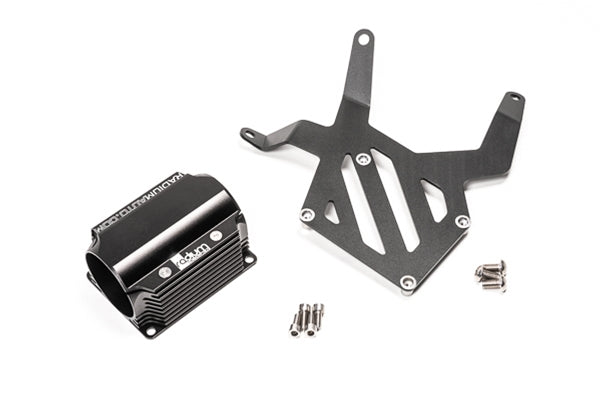
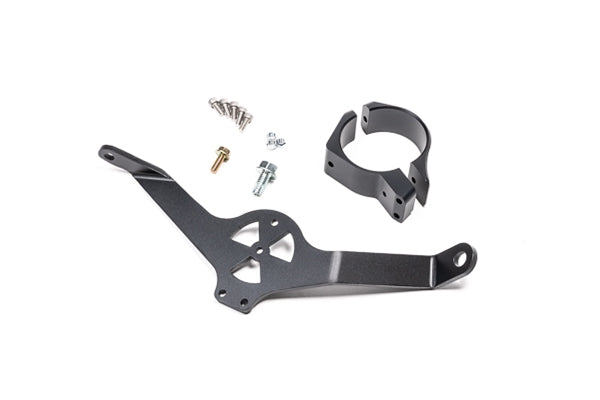
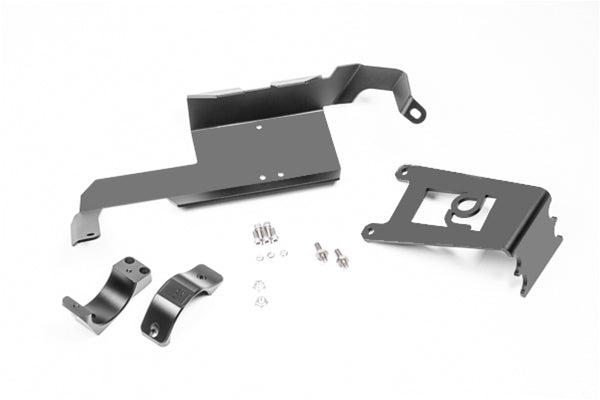
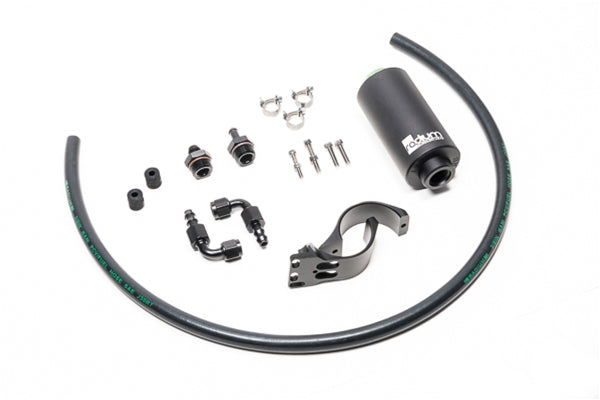
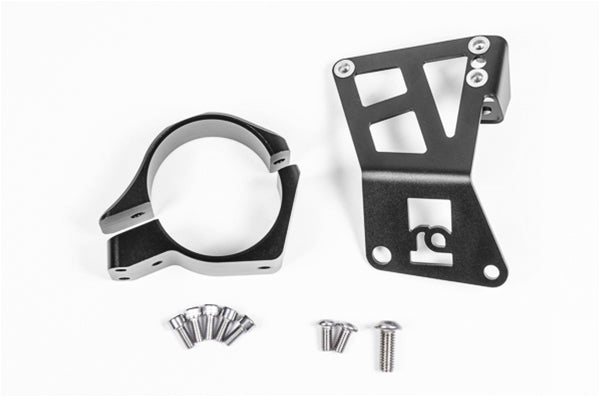
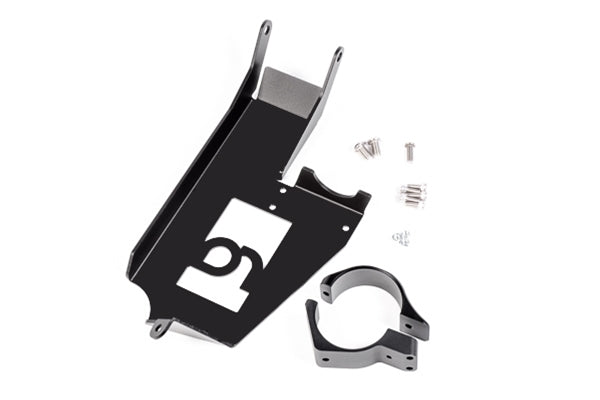
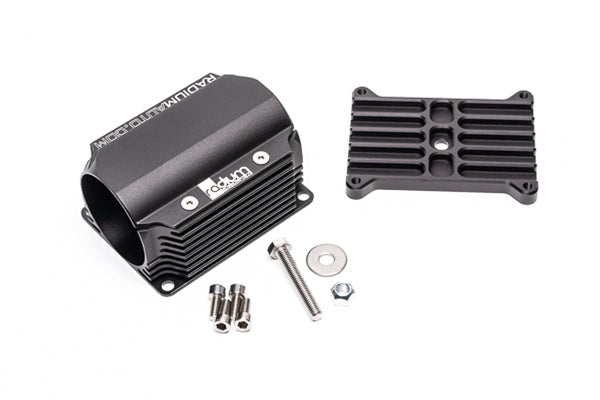
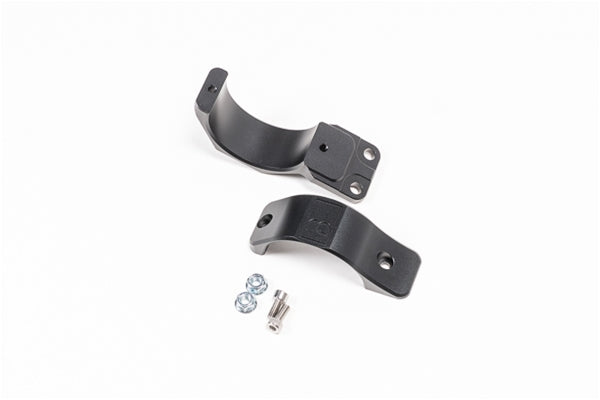
- Filter mounting brackets, clamps and service seals
Why these Fuel Filters
A coarse pre-filter before the pump and a fine post-filter before the rail is the standard layout on a built fuel system. Stainless mesh elements (commonly around 40 to 100 micron) are cleanable and suit the pre-pump position. Micro-glass elements (often 10 micron or finer) catch the small stuff that damages injector pintles and pressure regulators, so they sit after the pump.
Element choice matters more than the housing. Cheap paper media can swell or break down on E85 and methanol blends, then shed into the pump. The filters we stock use media rated for ethanol, with billet housings that seal on O-rings you can replace rather than crush washers you can't.
Fitment & Installation
Check three things before buying: port size and thread type (AN, ORB or metric), micron rating for the position in the system, and body length against the space you have. Surge tank installs are usually the tightest fit.
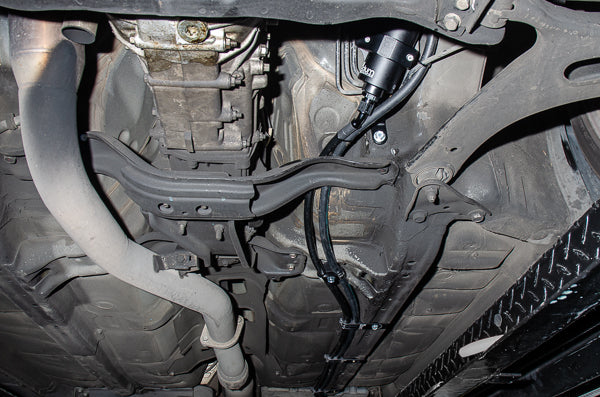
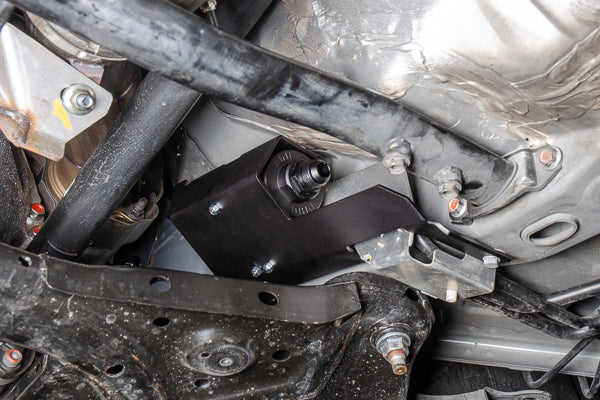
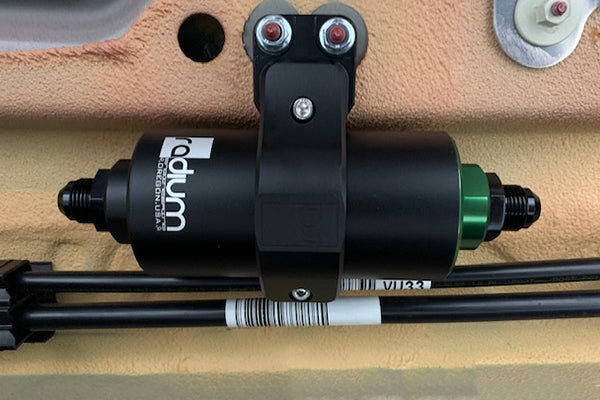
Most installers depressurise the system, catch the fuel that stays in the lines, and mount the filter with flow direction matching the arrow on the housing. Filters are best mounted solid to the chassis rather than hanging on the hose. Budget for fresh PTFE-lined hose, AN fittings and a bracket if you are moving away from the factory filter location. Owners running E85 typically service elements more often than pump-fuel cars.
Pair with the rest of your build
- Fuel pumps for the flow the filter has to keep clean
- Fuel surge tanks and fuel pump hangers
- Fuel line kits and fuel rails
- Fuel injectors and fuel pressure regulators
- Fuel system accessories, fuel cell accessories and refuelling equipment
- Browse the full fuel system range
FAQ
What micron rating should I run?
Coarser before the pump (typically 40 to 100 micron stainless), finer after it (around 10 micron or below) to protect injectors. Running a fine filter pre-pump can starve the pump as it loads up.
Are these filters safe on E85?
The elements and seals we stock are specified for ethanol blends. Change intervals are shorter on E85, especially in the first few tanks after a fuel system clean-out.
Can I clean and reuse the element?
Stainless mesh elements are designed to be cleaned and refitted. Micro-glass elements are replace-only.
Will a universal inline filter fit my car?
It depends on your line size and mounting space, not the badge. Match the AN port size to your fittings and measure the housing length before ordering.
Do you ship Australia wide?
Yes, we ship nationwide from our Australian warehouse, with manufacturer warranty on all filters and elements.
Not sure which filter and element suit your setup? Send us your fuel system details and we'll point you the right way.