
Caliper Components
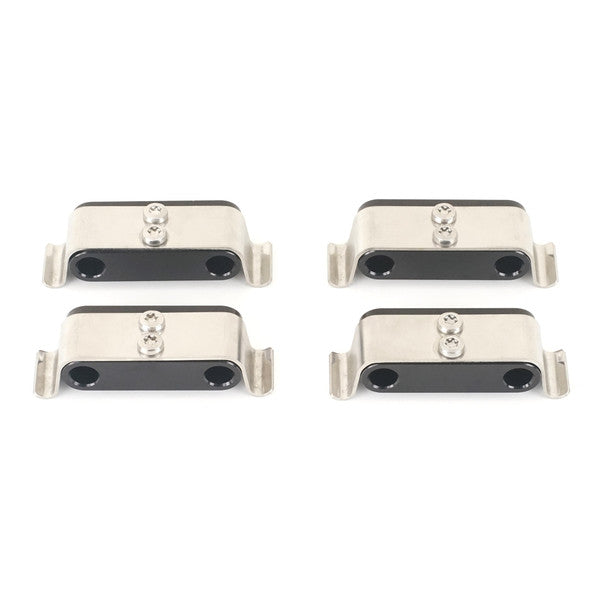
Caliper components are the small wear parts that decide whether a caliper feels sharp or sticky: pistons, seals, dust boots, bleed nipples, guide pins and retaining hardware. These items give up long before the caliper body does, and replacing them is usually cheaper and quicker than buying a new caliper. We stock parts that meet OE tolerances or better, for owners refreshing tired OEM calipers on a daily-driven Japanese or European car through to a car seeing regular track days at The Bend.
Shop by Vehicle
Caliper components are caliper-specific rather than platform-specific. A four-pot Subaru front caliper, a Brembo unit off an Evo or Golf R, and a sliding single-piston rear all take different piston diameters and seal profiles. Check the caliper casting and part number stamped on the body before ordering, and contact us if you are unsure which piston size or seal suits your setup.
Shop by Product Type
- Caliper pistons (steel, stainless and phenolic types)
- Piston seal and dust boot kits
- Bleed nipples and dust caps
- Guide pins, slider boots, bolts and retaining hardware
- Anti-rattle clips and pad retaining pins
Why Genuine Caliper Components
A caliper is only as good as the parts inside it. A hardened square-section seal stops retracting the piston properly, which drags the pad and cooks the fluid. Seized guide pins load one pad harder than the other and taper the friction material. Corroded pistons tear a fresh dust boot within a season of wet driving.
We choose to carry components made to correct material and dimensional specs rather than generic rubber kits, because a rebuild that fails again in six months costs more than doing it once. Heat resistance matters most here: cheap seals take a set after repeated hard stops and never fully release again.
Fitment & Installation
Confirm the caliper make, casting number and piston diameter before buying. Pistons and seals are not interchangeable between brands, and some platforms use different calipers across model years and trims, including AU-delivered RHD variants that differ from the overseas equivalent.
A typical rebuild involves stripping the caliper, cleaning the bore, fitting new seals and boots, then reassembling with fresh brake fluid and a proper bleed. Installers generally check the bore for scoring and pitting first, since a damaged bore will chew out a new seal regardless of the seal's quality, and that caliper is better replaced. Budget for brake fluid, a bleed kit, red rubber grease or the manufacturer's recommended assembly lubricant, and new pads if the old ones wore unevenly.
Pair with the rest of your build
FAQ
Will these fit my caliper?
Caliper components are matched to a specific caliper, not a specific car. Find the brand and casting or part number on the caliper body, then contact us if you need help matching a piston size or seal profile.
Do I need a full rebuild kit or just individual parts?
If the bore is clean and only the dust boots have perished, individual parts will do. If the caliper has not been serviced in years or has sat unused, a full caliper rebuild kit covers everything in one go.
What else do I need to finish the job?
Fresh brake fluid, a bleed kit and assembly lubricant at minimum. Many rebuilds also need new guide pin boots, anti-rattle clips or pad retaining pins, which are easy to damage on removal.
Can a pitted piston be reused?
No. Pitting and surface rust cut the new seal and cause slow leaks. Replace the piston, or replace the caliper if the bore itself is scored.
Do you ship Australia-wide?
Yes, we ship caliper components across Australia.
Not sure which caliper components suit your setup? Get in touch with your caliper details and we will point you to the right parts.