

Radium Engineering
Radium Engineering Fuel Systems & Catch Cans
We run Radium Engineering gear on cars that see everything from Sydney commutes to full days at The Bend and Wakefield Park. It's our go-to when a customer needs fuel system reliability under real G-loads, not just a bigger part number. Every component is CNC machined from billet aluminium and built to hold fuel pressure and keep the intake clean when the factory setup gives up.
Shop by Vehicle
- Radium Engineering for Subaru WRX/STI
- Radium Engineering for Nissan (S-chassis, Skyline, R35)
- Radium Engineering for Toyota GR Yaris/GR Corolla
Shop by Product Type
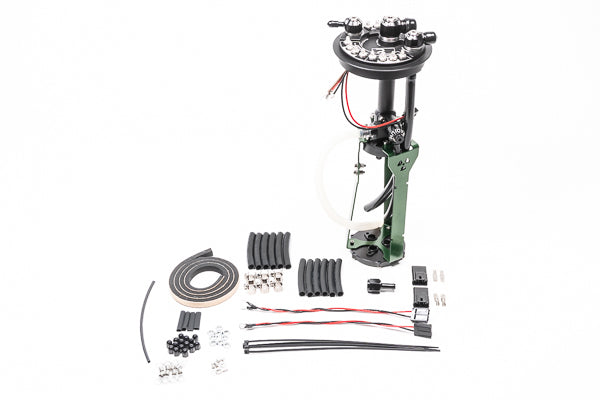
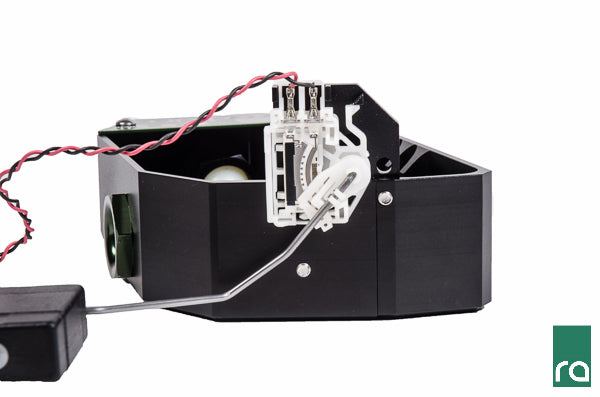
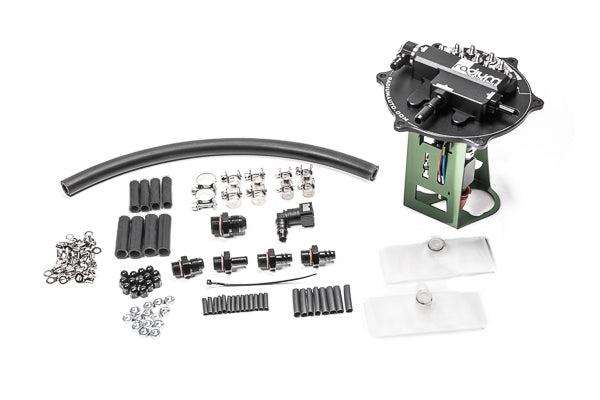
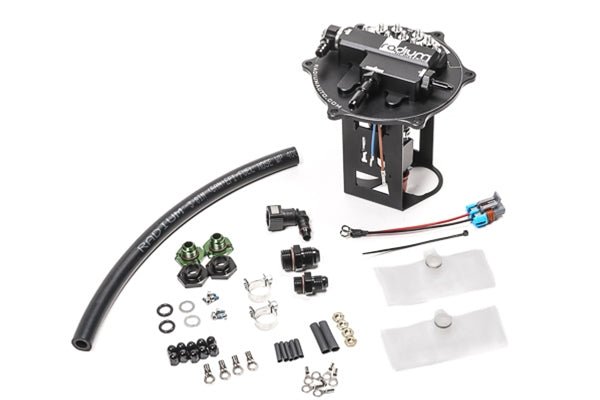
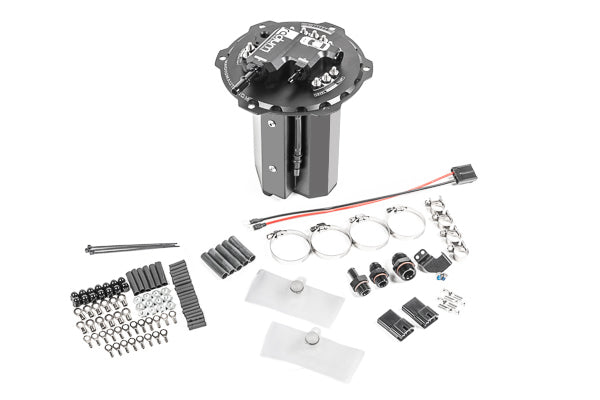
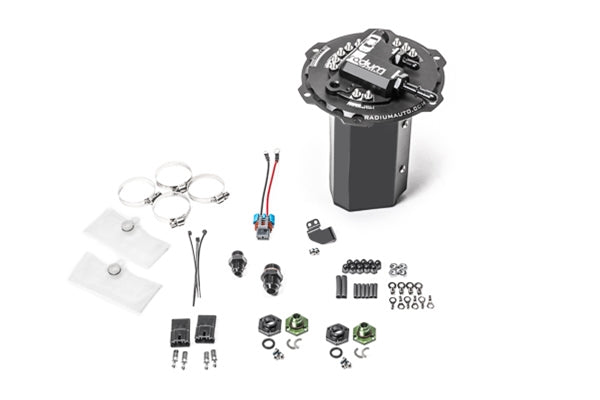
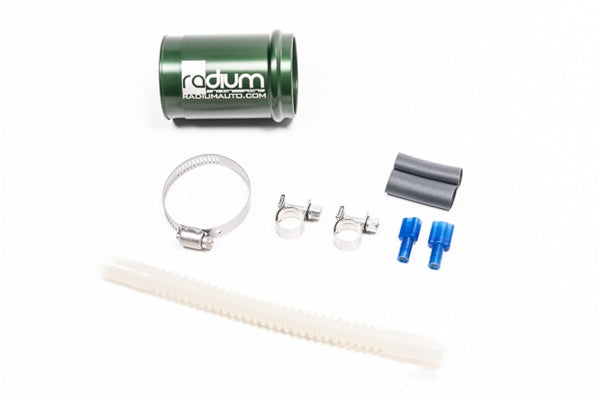
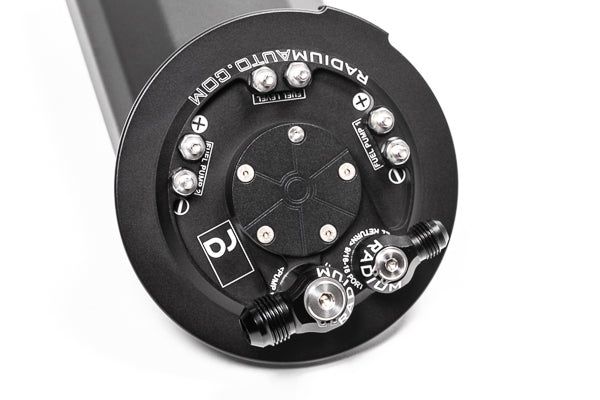
- Fuel surge tanks (FST) and fuel pump hangers, single or dual pump
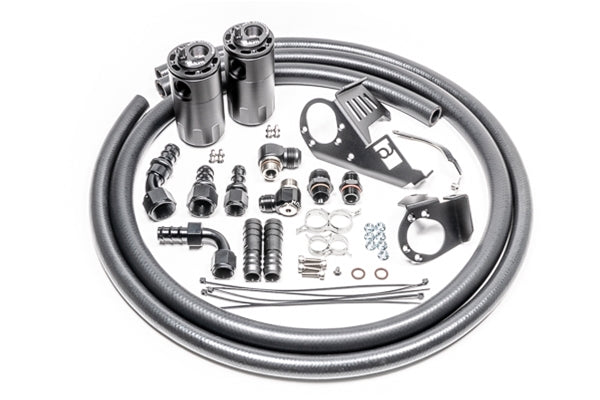
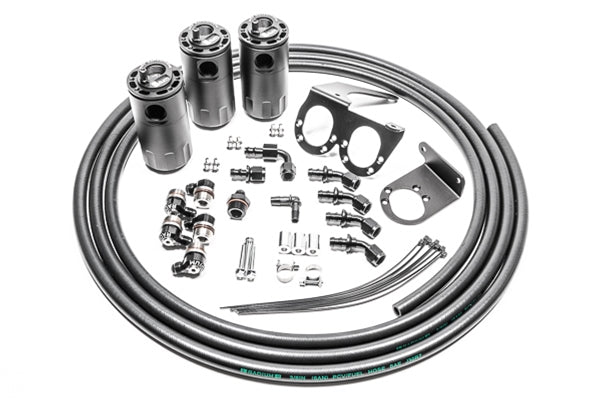
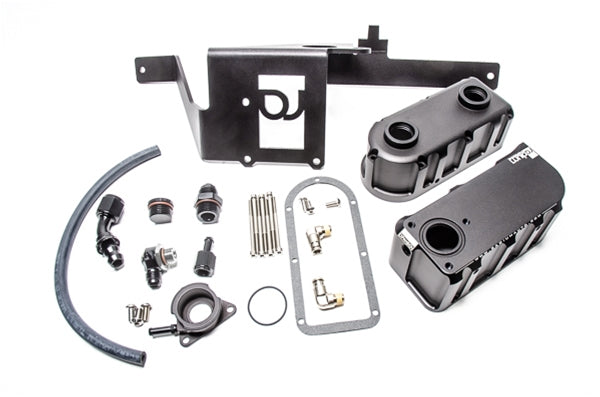
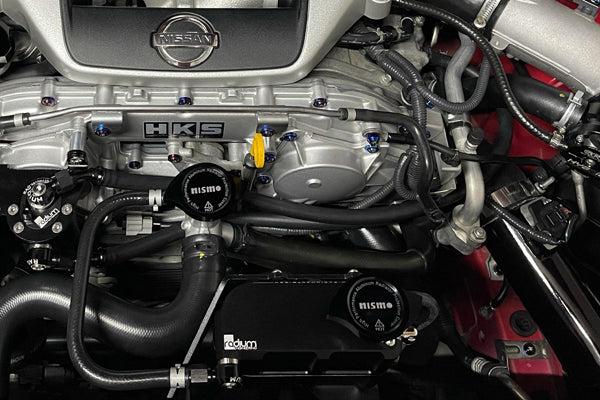
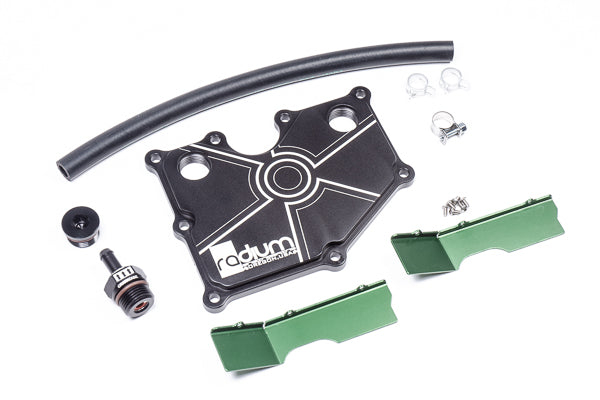
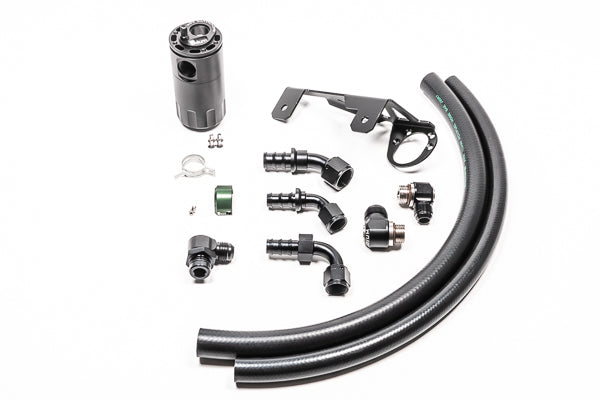
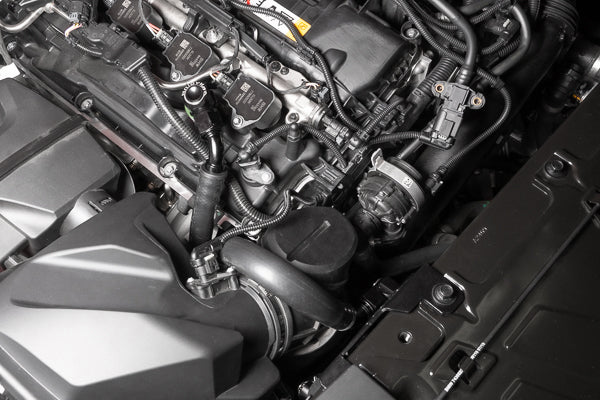
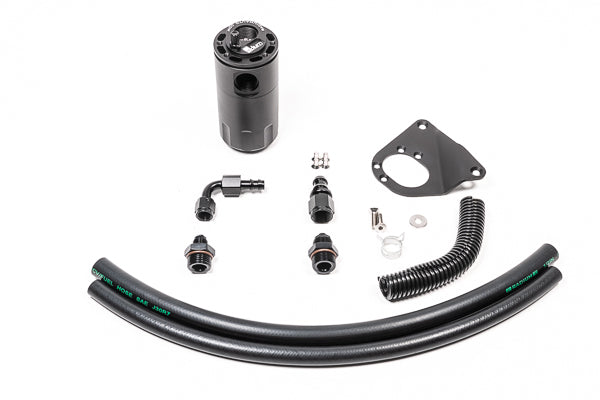
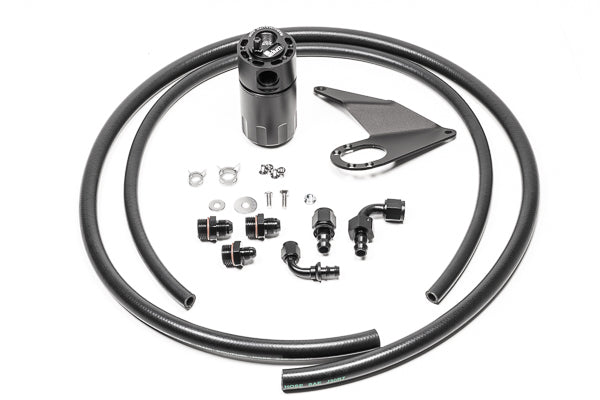
- Fluid Lock catch cans and Air Oil Separator (AOS) kits
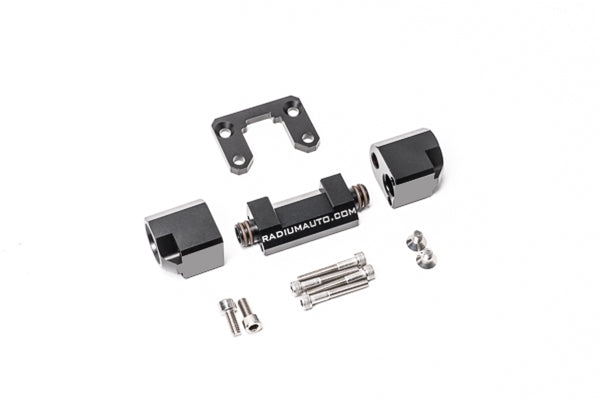
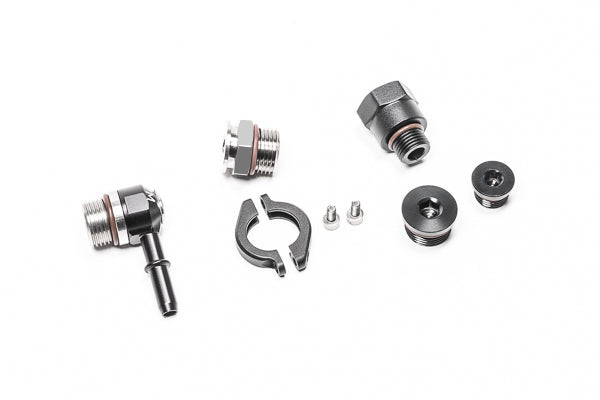
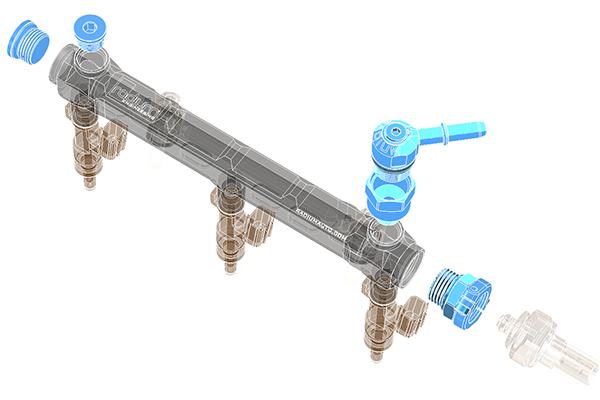
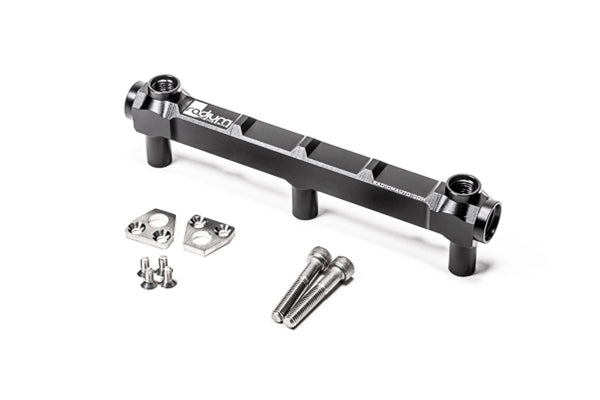
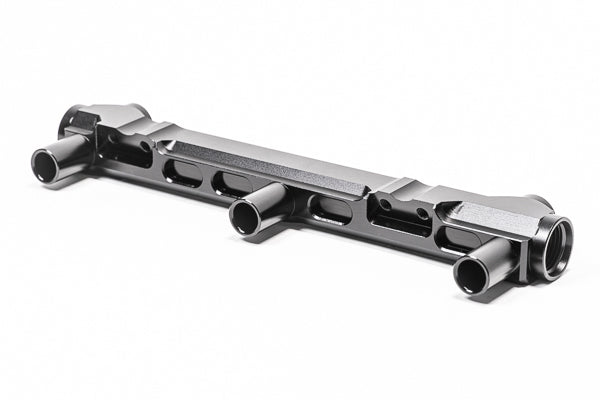
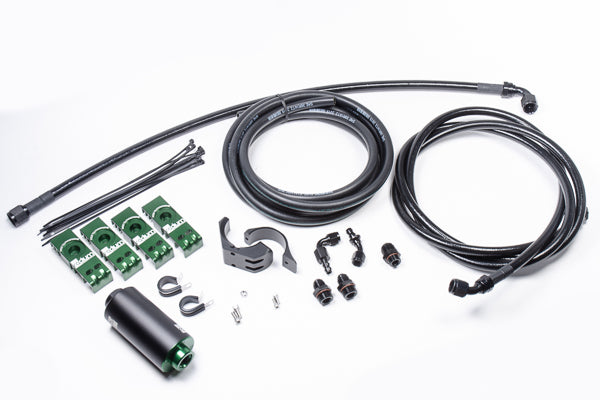
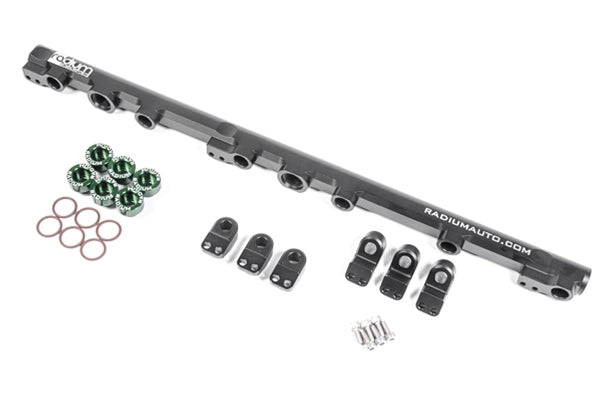
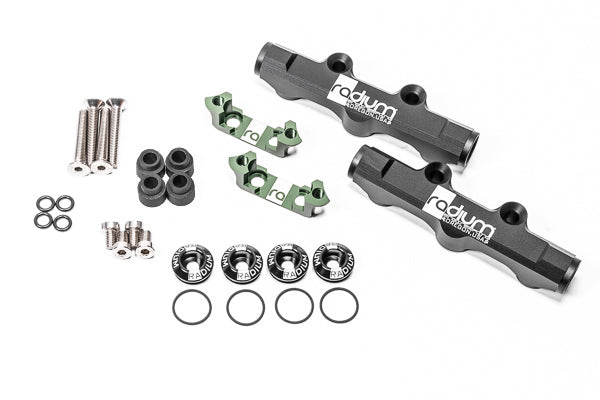
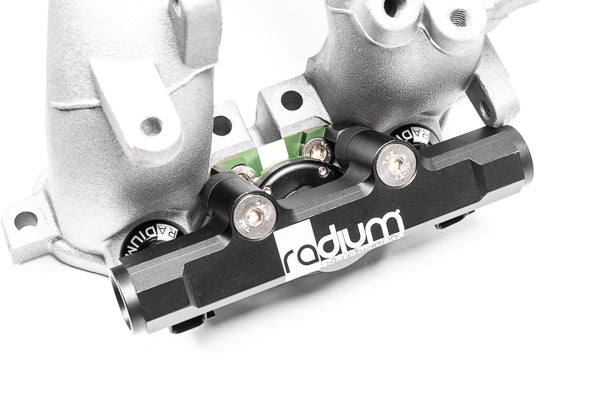
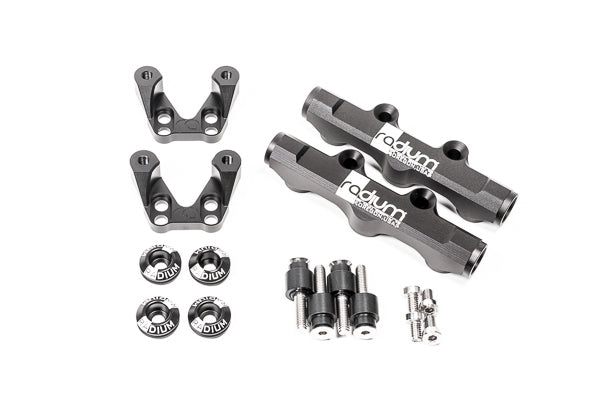
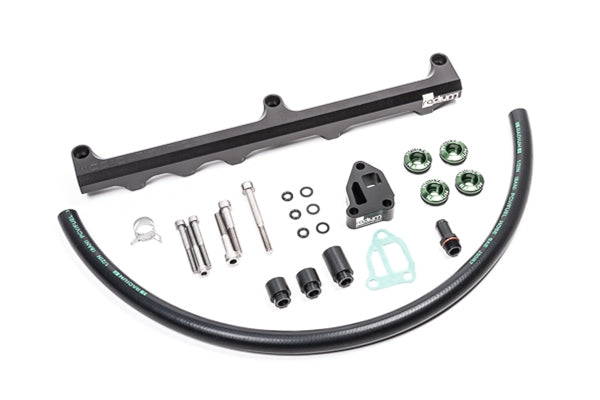
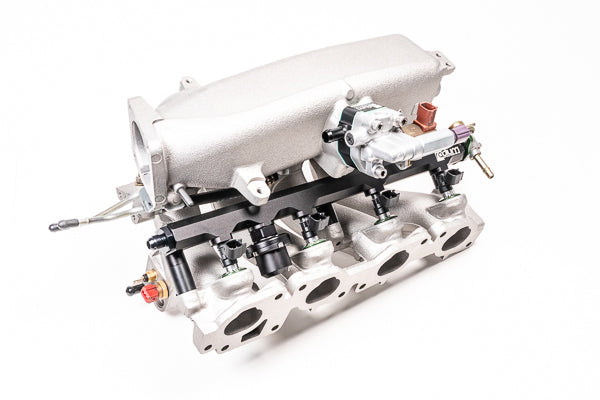
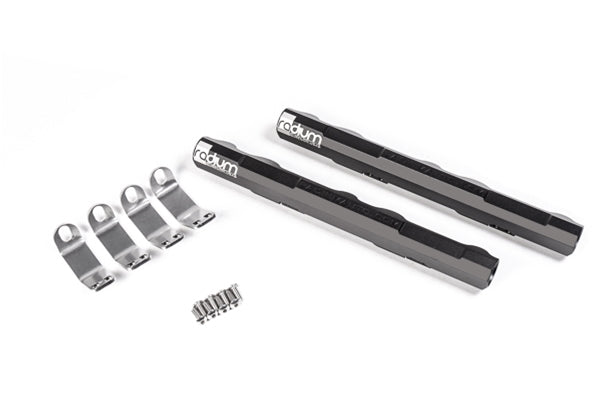
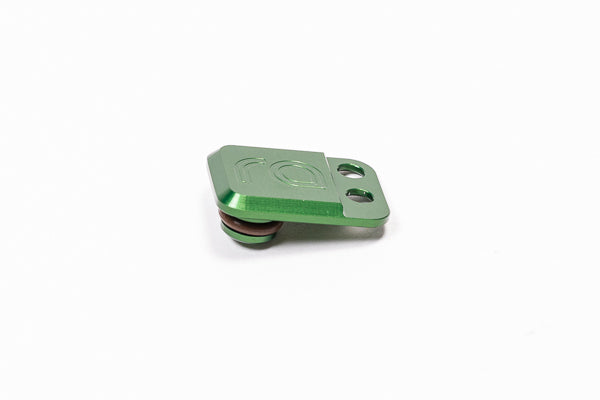
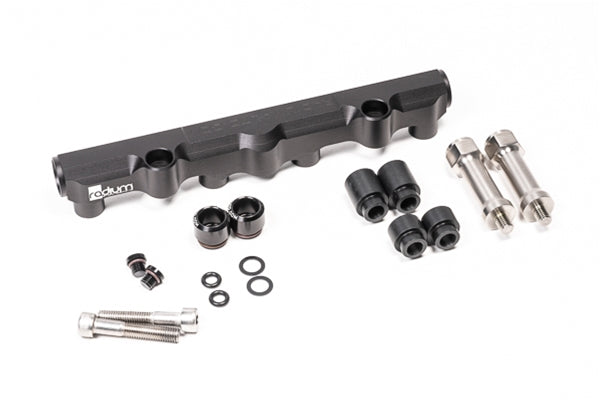
- High-flow fuel rails and complete fuel rail plumbing kits
- Fuel vent charcoal canisters
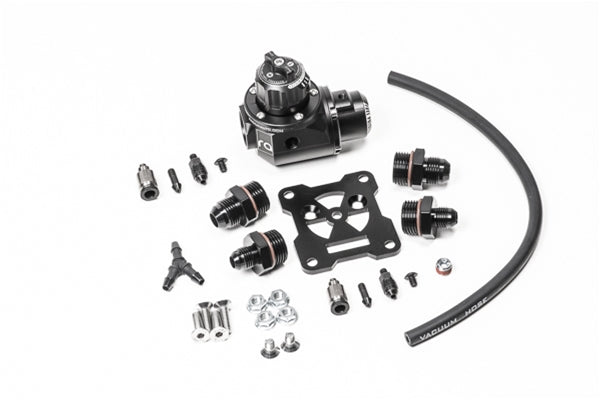
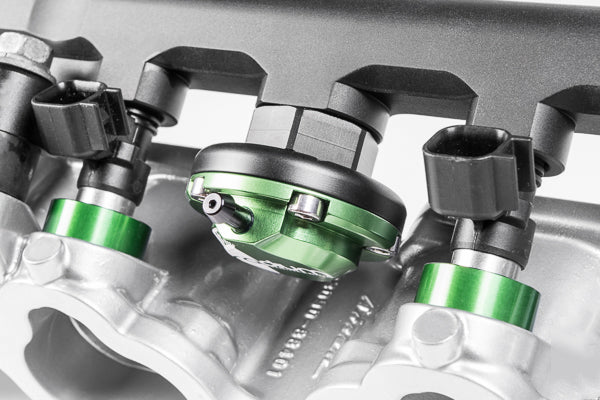
- RA-Series fuel cells, fuel pressure regulators and fuel pulse dampers
Why Radium
Radium designs every part with simulation before it's ever machined, and it shows in how consistent the fitment is across their range. We stock them because they solve problems other brands ignore, like fuel starvation under brakes on a race circuit, or carbon buildup on direct-injection intake valves from unmanaged blow-by. On turbo direct-injection engines like the FA20/FA24, K20C1, and G16E-GTS, an AOS isn't a nice-to-have, it's cheap insurance against a top-end clean later on. Their fuel cells are FIA FT3 and SFI 28.1 certified, which matters if you're racing under a log book. Everything from the surge tanks to the plumbing kits is built to handle petrol, E85, ethanol, methanol and diesel, so you're not swapping componentry when you change fuel.
Fitment & Installation
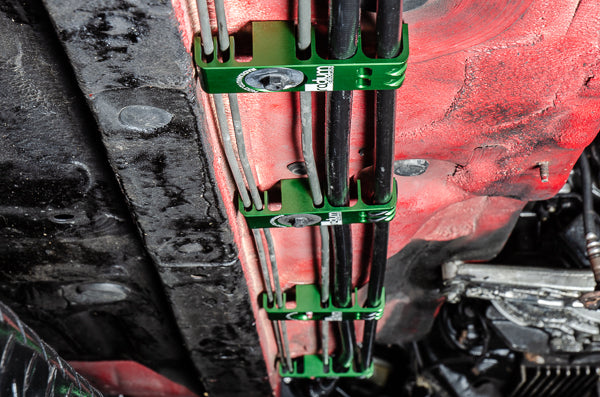
Fuel pump hangers and surge tanks are largely vehicle-specific, so check the exact drop-in kit for your chassis before ordering. Fuel rails are available for Subaru EJ and FA engines, Nissan RB26, SR20 and VQ platforms, Toyota G16E-GTS, Mitsubishi Evo, Ford Barra and Toyota 1JZ/2JZ, but bore size and fitting thread can vary between engine generations, so match the part number to your engine, not just the model name. Catch can and AOS kits are engine-specific rather than universal, they're designed around factory hose routing and mounting points. If you're building a full return-style fuel system, budget time for plumbing: the rail kits include hose and fittings, but you'll still need to route and secure everything correctly for it to seal.
Pair with the rest of your build
- Radium Engineering for Subaru WRX/STI
- Radium Engineering for Nissan
- Radium Engineering for Toyota GR Yaris/GR Corolla
- KORSH fuel system and hardware
- Injector Dynamics injectors and fuel pumps
- Fuel surge tank guide
- Catch can vs air oil separator guide
- Fuel vent charcoal canister guide
FAQ
What is the difference between a catch can and an AOS?
A catch can collects oil and moisture in a reservoir you drain manually. An Air Oil Separator (AOS) filters the vapour and returns the oil to the sump automatically. Radium's AOS kits are often coolant-heated to stop water condensation mixing with your oil. See our catch can vs AOS guide for the full comparison.
Why do I need a fuel surge tank for track use?
Under hard cornering or braking, fuel moves away from the pickup in the main tank, causing momentary lean conditions that can damage the engine. A surge tank stays full at all times and feeds the pump a constant supply regardless of what the main tank is doing. Our surge tank guide covers the full system.
Are Radium products compatible with E85?
Yes. Rails, regulators, hangers, surge tanks, filters and plumbing all use E85-safe materials, including stainless steel internals, PTFE hose and FKM O-rings.
What does FIA FT3 or SFI 28.1 certification mean for a fuel cell?
These are the safety standards most race organisers and log book scrutineers check for. FT3 is the FIA standard, SFI 28.1 is the US equivalent, and both cover the bladder material and construction needed to survive an impact without rupturing. If your motorsport category requires a certified cell, check which standard your log book or event regs call up before you buy, as some accept either and some are specific.
Will these fit an Australian-delivered car?
Most Radium kits are designed around the same global platform sold here, but tank shape and pump provisions can differ by market. Check the listed fitment or contact us before ordering if you're unsure.
Need help picking the right kit for your engine? Contact us.