

Brakes
Performance Brakes for Japanese and European Cars
Brakes are the upgrade that makes every other mod usable. We stock performance brakes across pads, rotors, braided lines, fluid and big brake kits for a wide range of Japanese and European platforms, from daily-driven hatches to dedicated track cars. Our customers use this gear for everything from Sydney traffic and weekend drives to sprints at The Bend, so we carry brands that hold up under heat rather than parts-bin filler.
Shop by Vehicle
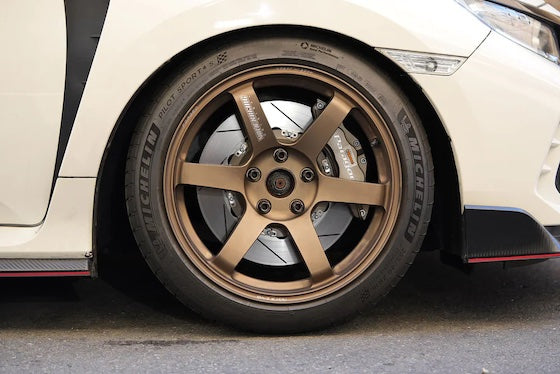
The range covers popular platforms including Subaru WRX and STI, Toyota GR86, 86 and BRZ, Toyota GR Yaris and GR Corolla, Nissan Silvia and Skyline, Mazda MX-5, Honda Civic Type R, VW Golf GTI and R, and BMW M cars, plus many other Japanese and European models. If your car isn't listed, contact us with the year, model and trim and we'll point you to the right parts.
Shop by Product Type
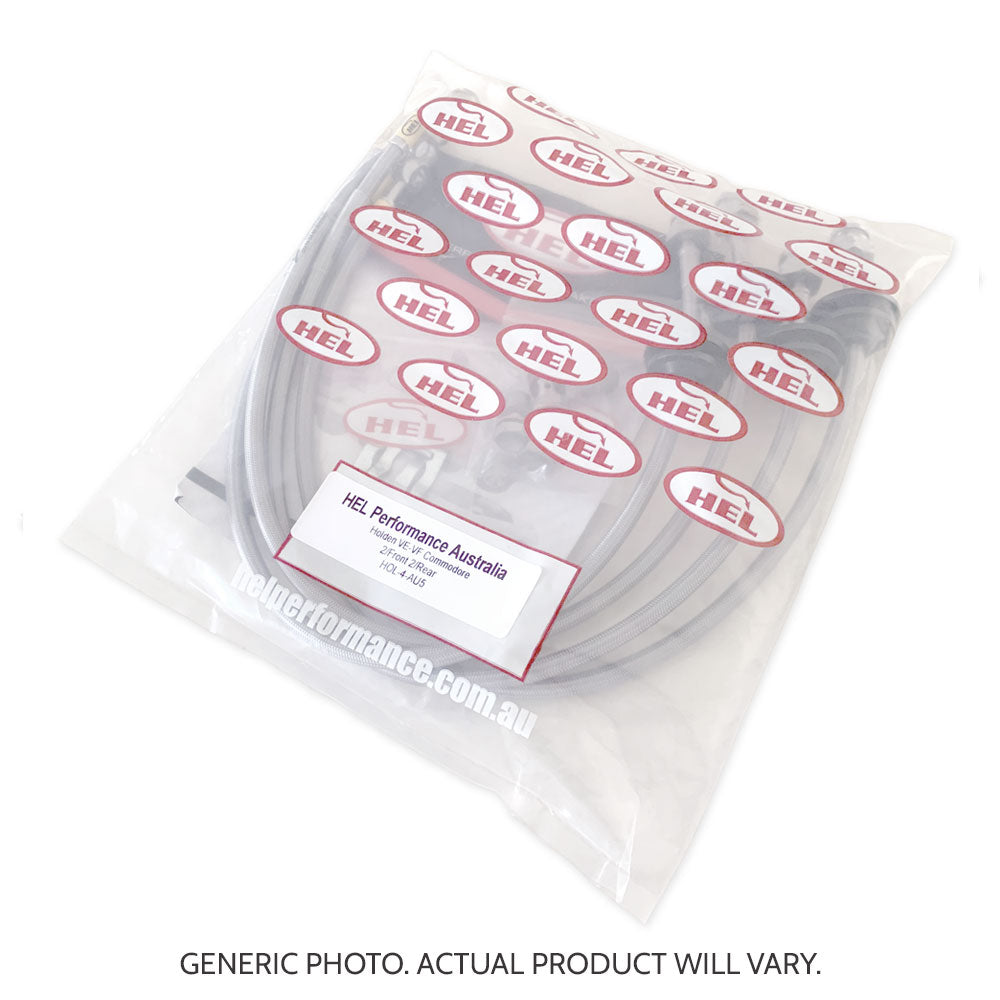
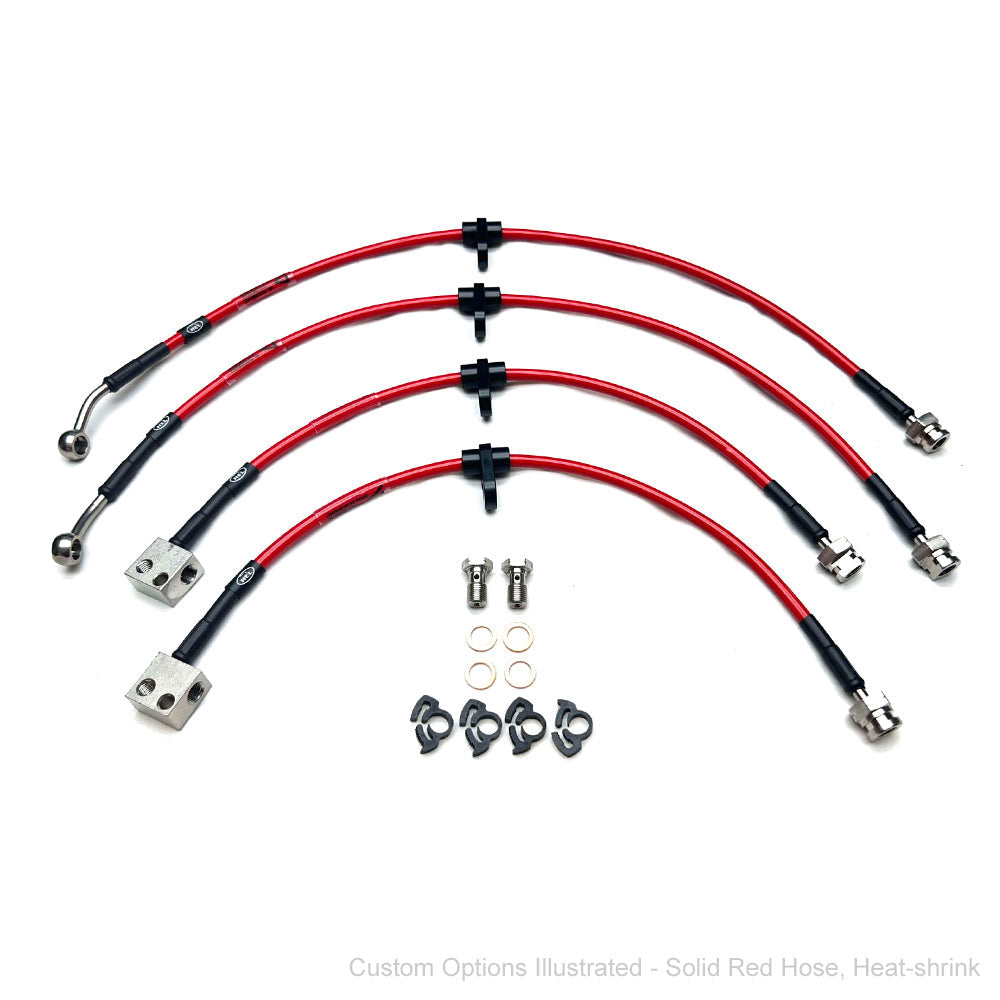
Brake pads in street, sports and race compounds. Slotted, drilled and two-piece rotors. Stainless braided brake lines, high temperature brake fluid, big brake kits, callipers and rebuild kits, plus handbrake and pedal box components for track-focused builds.
Why Upgrade Your Brakes
Factory brake systems are built around everyday driving and a price target. Add power, extra weight or repeated hard stops and the first thing you notice is a long, soft pedal as the pad compound and fluid get hot. A street compound pad with fresh fluid fixes most road cars. Cars seeing regular track time usually need a higher temperature compound, braided lines and better cooling before a big brake kit is worth the money. Bigger rotors add thermal mass and leverage, but they don't fix boiling fluid or a tired master cylinder, so the cheap parts of the system are worth sorting first.
Fitment & Installation
Fitment depends on model, year and calliper type, including whether the car left the factory with single or dual-piston front callipers. AU-delivered variants can differ from JDM or Euro-market equivalents, so check the exact trim before ordering. Big brake kits often require a minimum wheel diameter and specific offset for clearance, and some need bracket spacers. On older platforms, rotor changes can affect ABS reluctor ring placement.
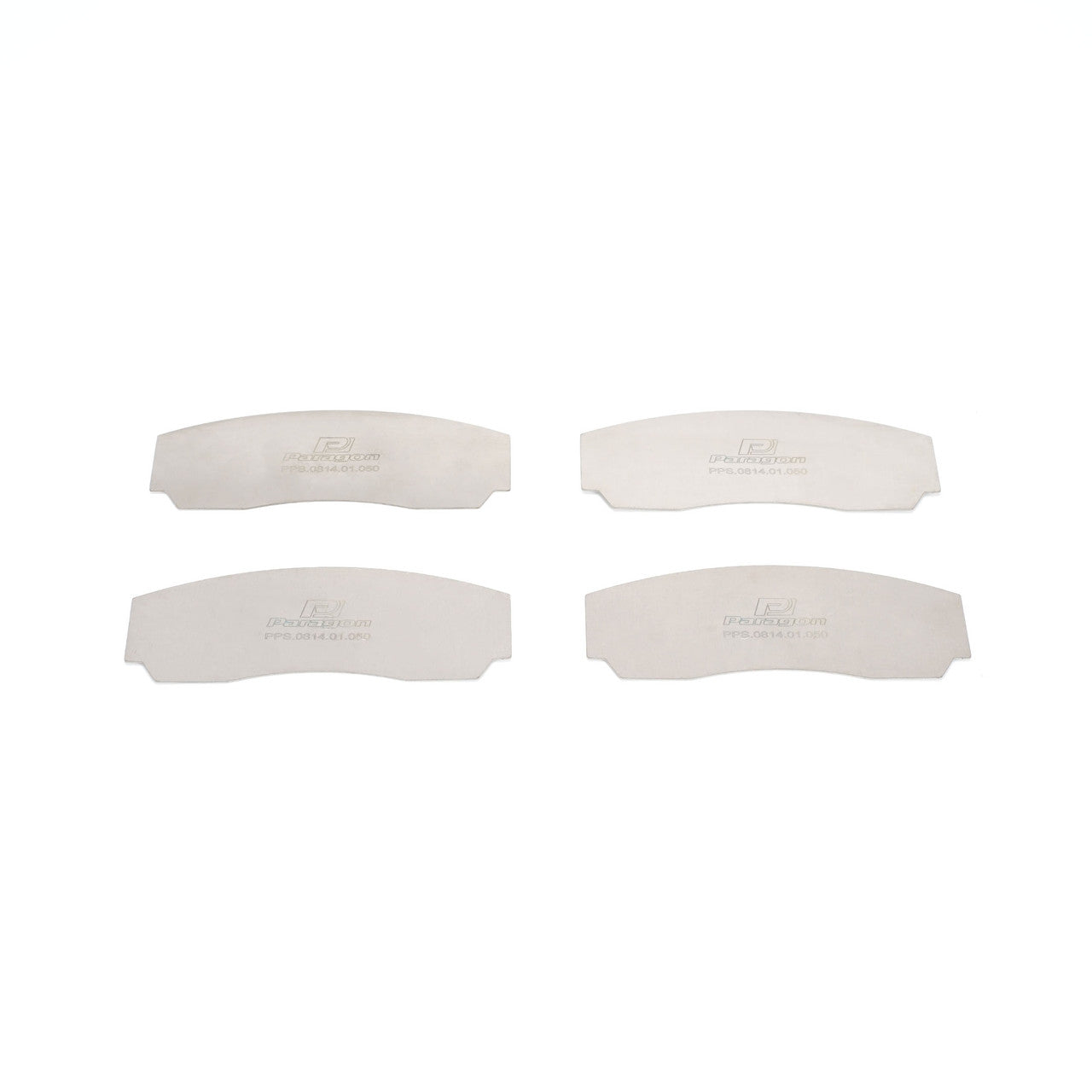
Most pad and rotor jobs need a torque wrench, a calliper piston tool, fresh brake fluid and a bleed. Race compounds usually require a bedding-in procedure from the manufacturer before hard use. Copper grease on the pad backing plates and contact points helps keep things quiet. Ask your installer to check hose condition and calliper slide pins while the wheels are off.
Pair with the rest of your build
- Suspension for the damping and geometry to put the braking to use
- Fittings and Hose for brake line hardware, fittings and adapters
- Exterior and Aero for ducting and airflow to the front brakes
- Interior for pedal box and handbrake components
- Cooling for the rest of the heat management on a track car
FAQ
Will these brakes fit my car? Most listings are model and year specific. Check the fitment notes on the product page, or send us your VIN details and we'll confirm.
Do you ship brakes Australia-wide? Yes, we ship nationwide.
What's the difference between street and race compound pads? Street compounds bite from cold, stay quiet and are gentler on rotors. Race compounds work at much higher temperatures but can be noisy, dusty and poor when cold.
Do I need new rotors with new pads? Not always. If the rotors are above minimum thickness, even and not cracked, new pads can go on with a light bed-in. Moving between very different compounds is usually better on fresh or machined rotors.
Is fluid worth changing at the same time? Yes. Old fluid absorbs moisture and boils early, which causes a soft pedal that no pad will fix.
Not sure which setup suits your car and how you drive it? Contact the Chicane team.


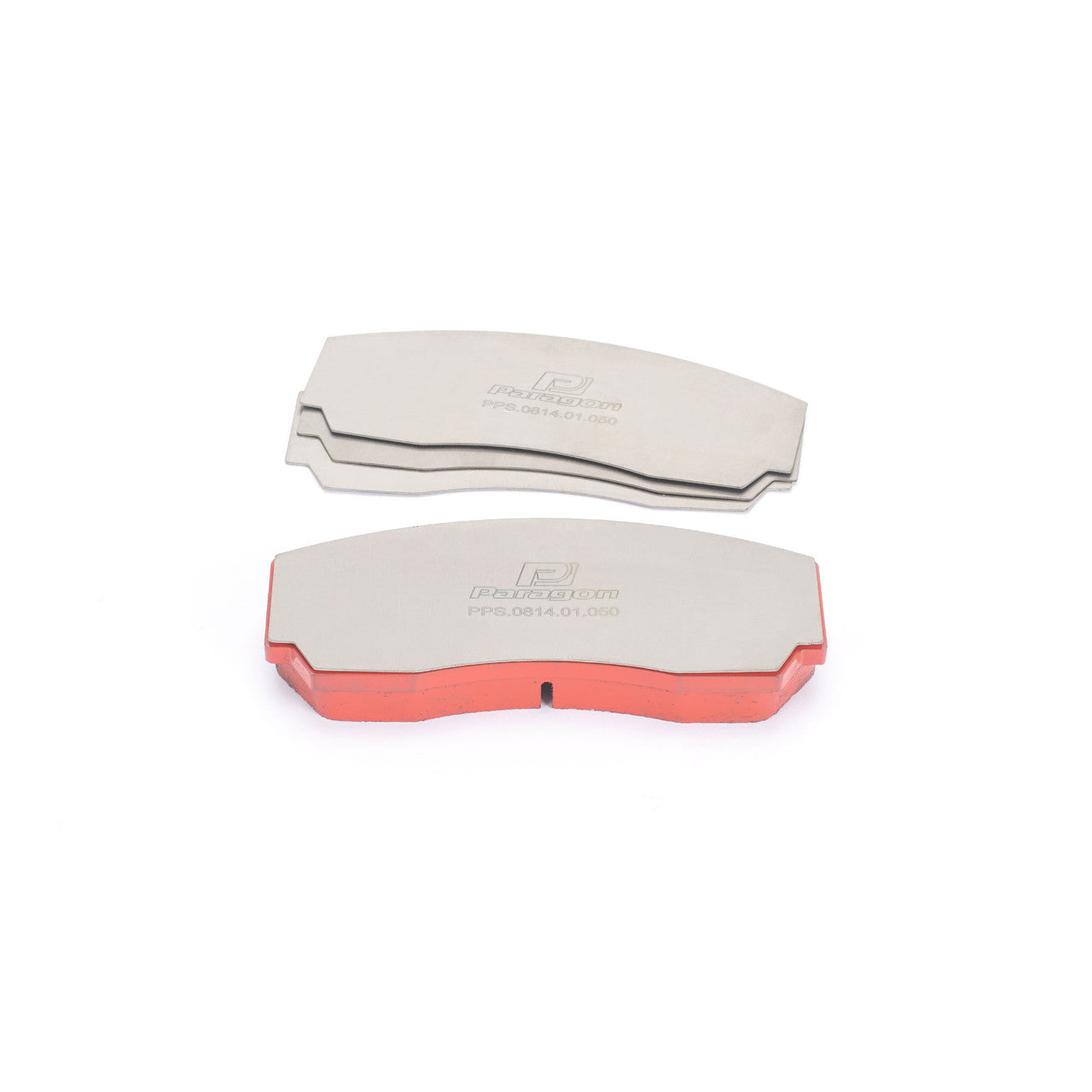









SKU: PRR.8014.365.2570.320.23500.03.01.L/R