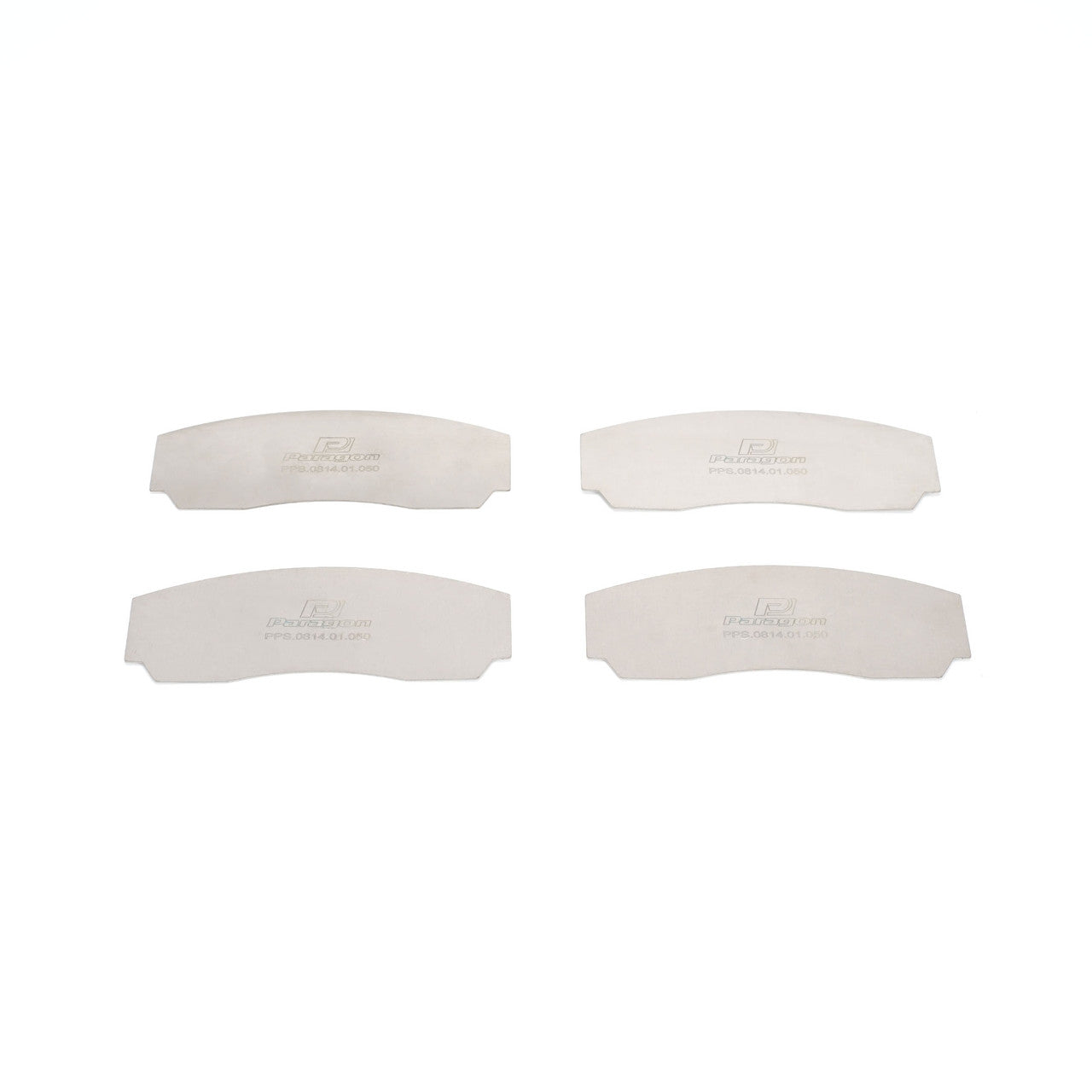


Titanium Brake Shims
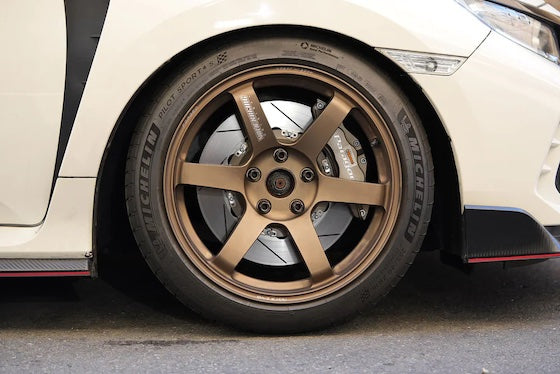
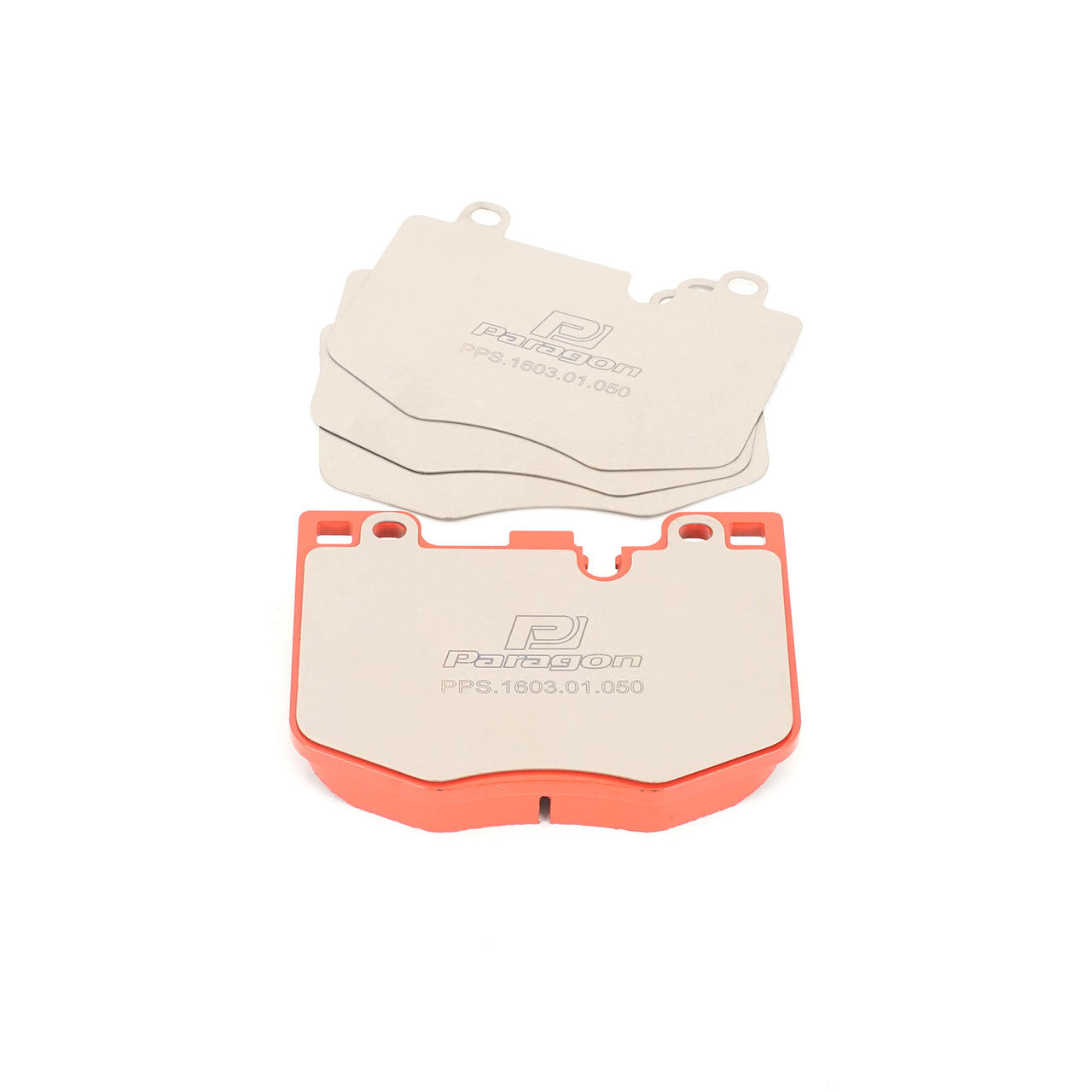
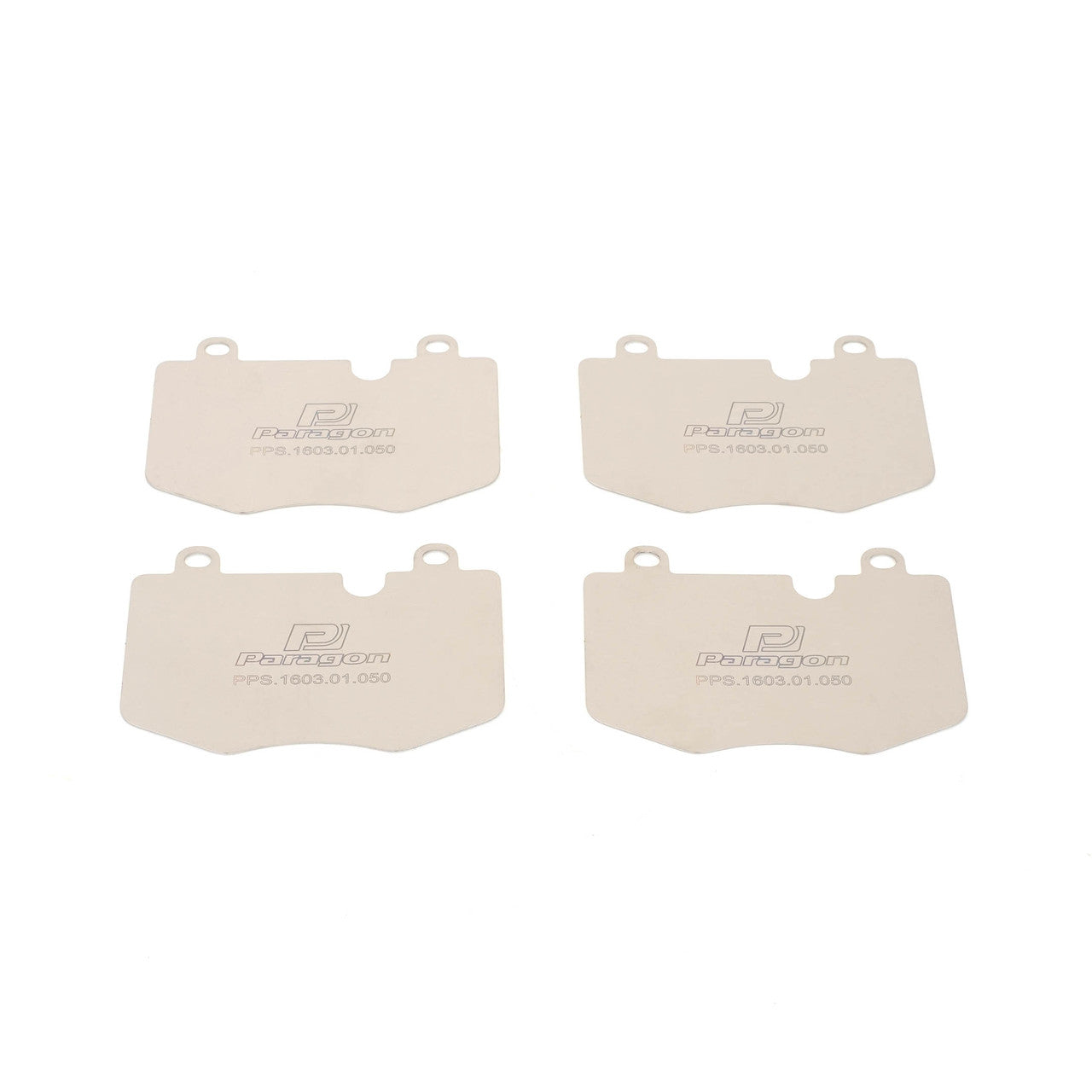
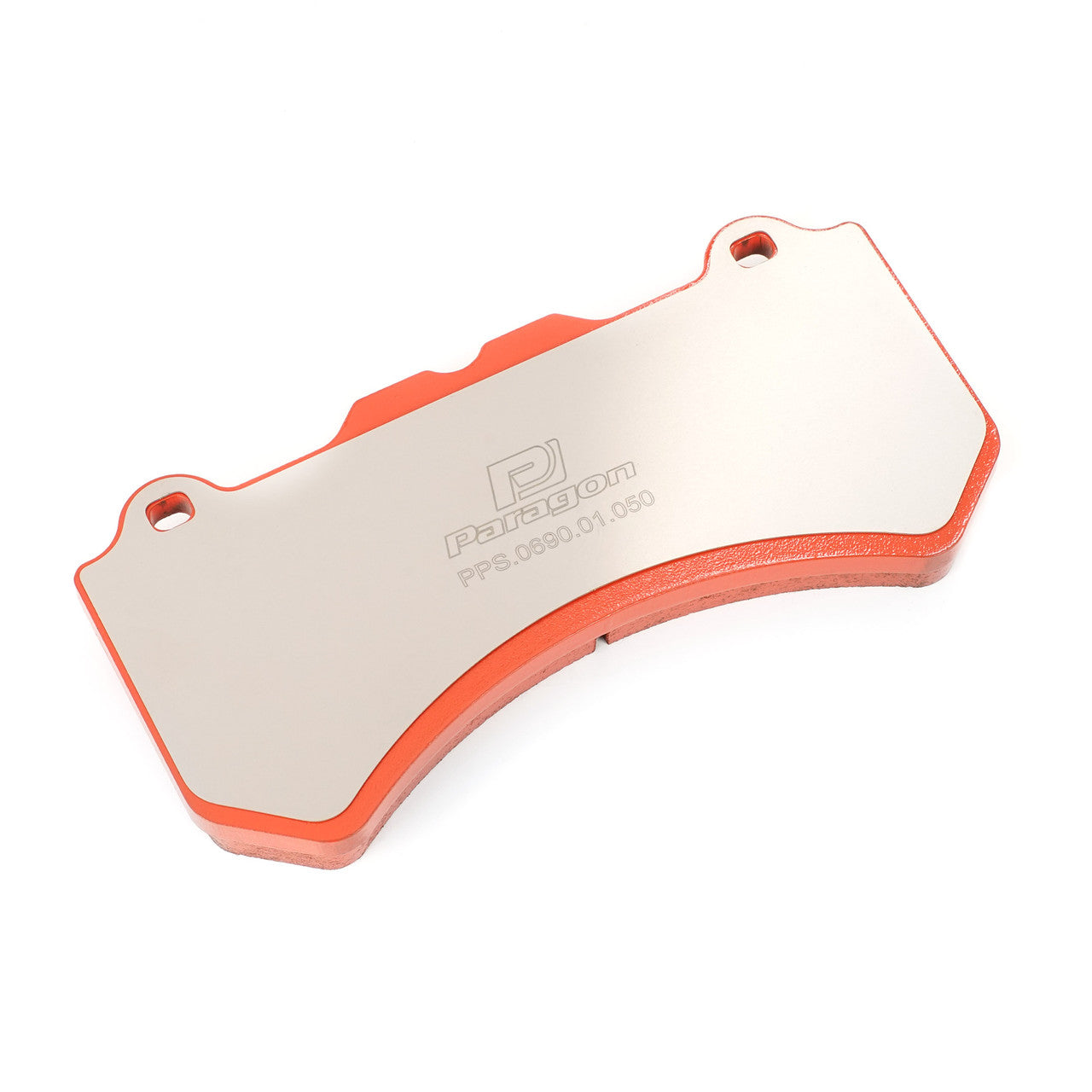
Titanium brake shims for JDM and Euro performance cars — exclusively Paragon Performance. Pad-to-piston thermal barriers engineered to cut the heat path from the pad surface into your caliper piston and brake fluid. The single biggest fix for boiling fluid on track-driven cars — popular on 86 / GR86 / BRZ, FK8 / FL5 Civic Type R, R35 GT-R, WRX / STI, Evo X and GR Yaris. Chicane stocks Paragon direct from the manufacturer, shipping Australia-wide from the Central Coast, NSW.
The single biggest cause of boiling brake fluid on track is heat soaking through the piston. Most owners spend thousands chasing the problem with better pads, better fluid and bigger calipers — when a $100-150 titanium shim breaks the heat path at its source. If you've had a long pedal mid-session, fluid that's boiling before the pads are gone, or a track car that "just doesn't have the brakes" despite the right pad compound — this is the page.
Read more — how titanium shims work, when to fit them, what they pair with, install & FAQ ▾
The Heat Path Problem
Brake fluid boils because heat reaches it. The chain is short and direct, and every link matters.
When you brake, the pad and rotor friction surfaces generate heat — that's the whole job. From the pad surface, heat travels back through the pad's friction material into the steel backing plate, then through the backing plate into the caliper piston pressing on it. The piston is hollow but conducts heat efficiently into the brake fluid sitting behind it inside the caliper. Once that fluid reaches its wet boiling point, it gases — and gas compresses where liquid doesn't. The pedal goes long, you lose firm pressure, and you back off the lap.
Better pads slow the heat generation. Better fluid raises the boiling point. Bigger rotors and calipers spread the heat. But none of those break the actual conduction path from pad to piston — they just push the problem further down the road. A titanium shim breaks the path at the most important link: where the pad backing plate meets the piston.
How Paragon Titanium Shims Work
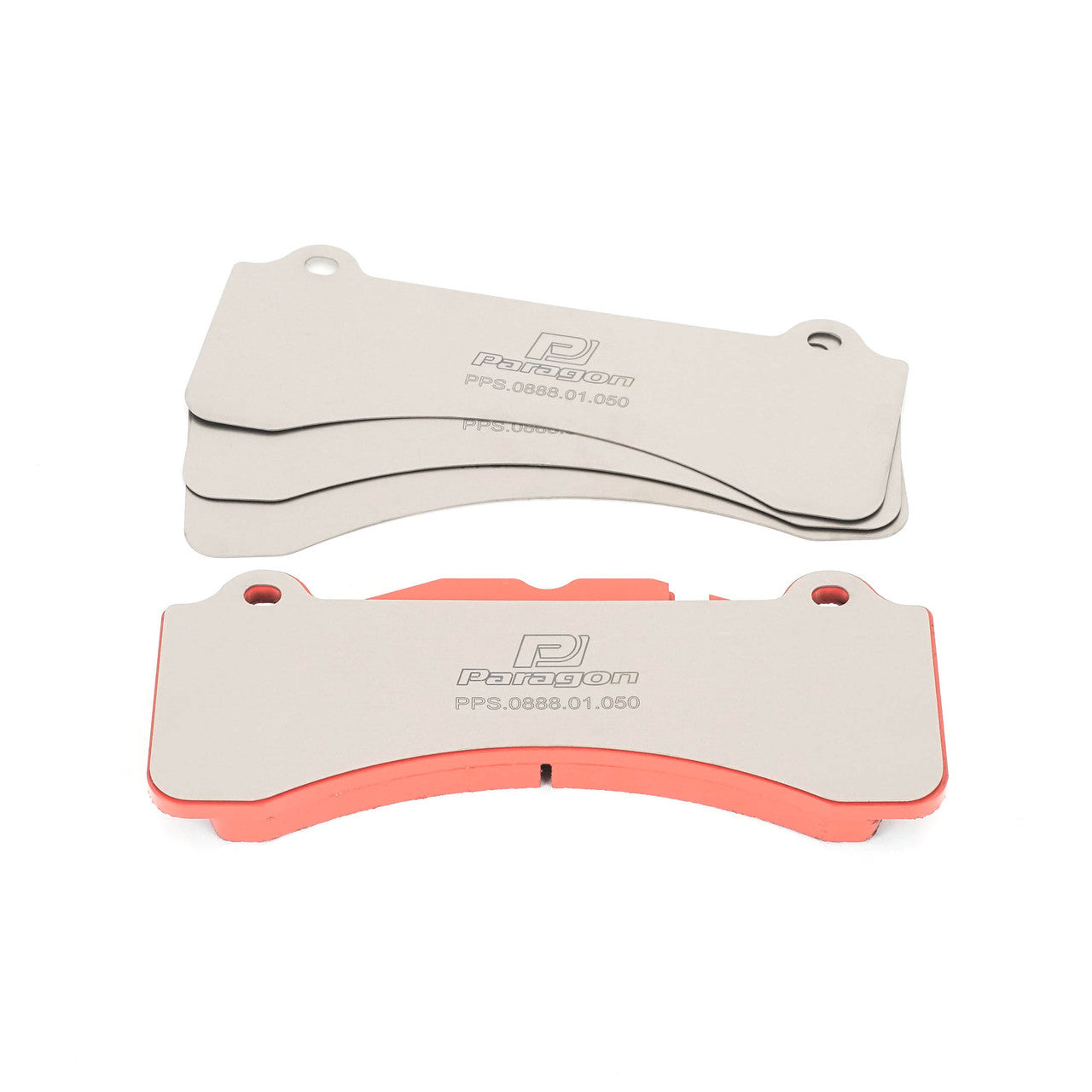
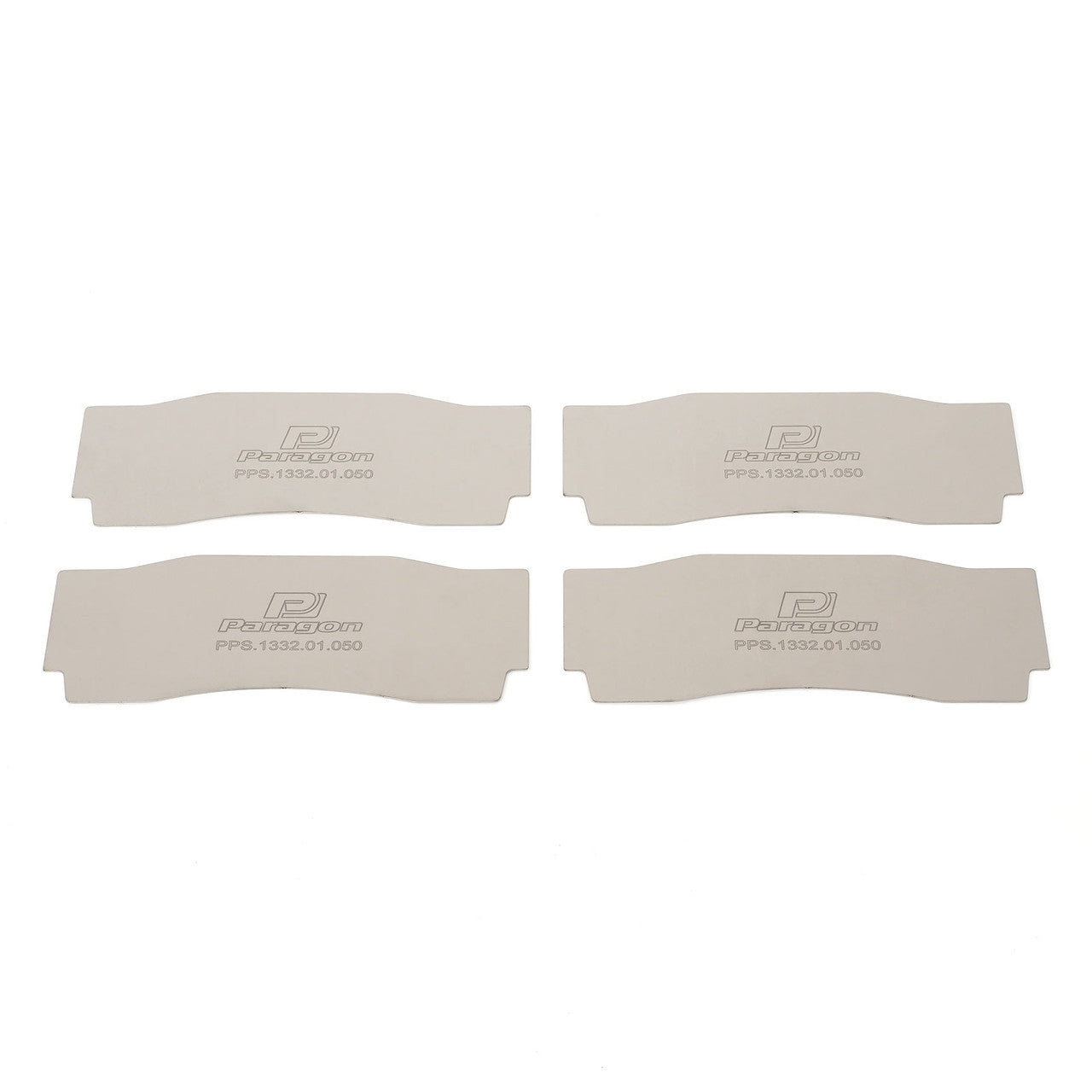
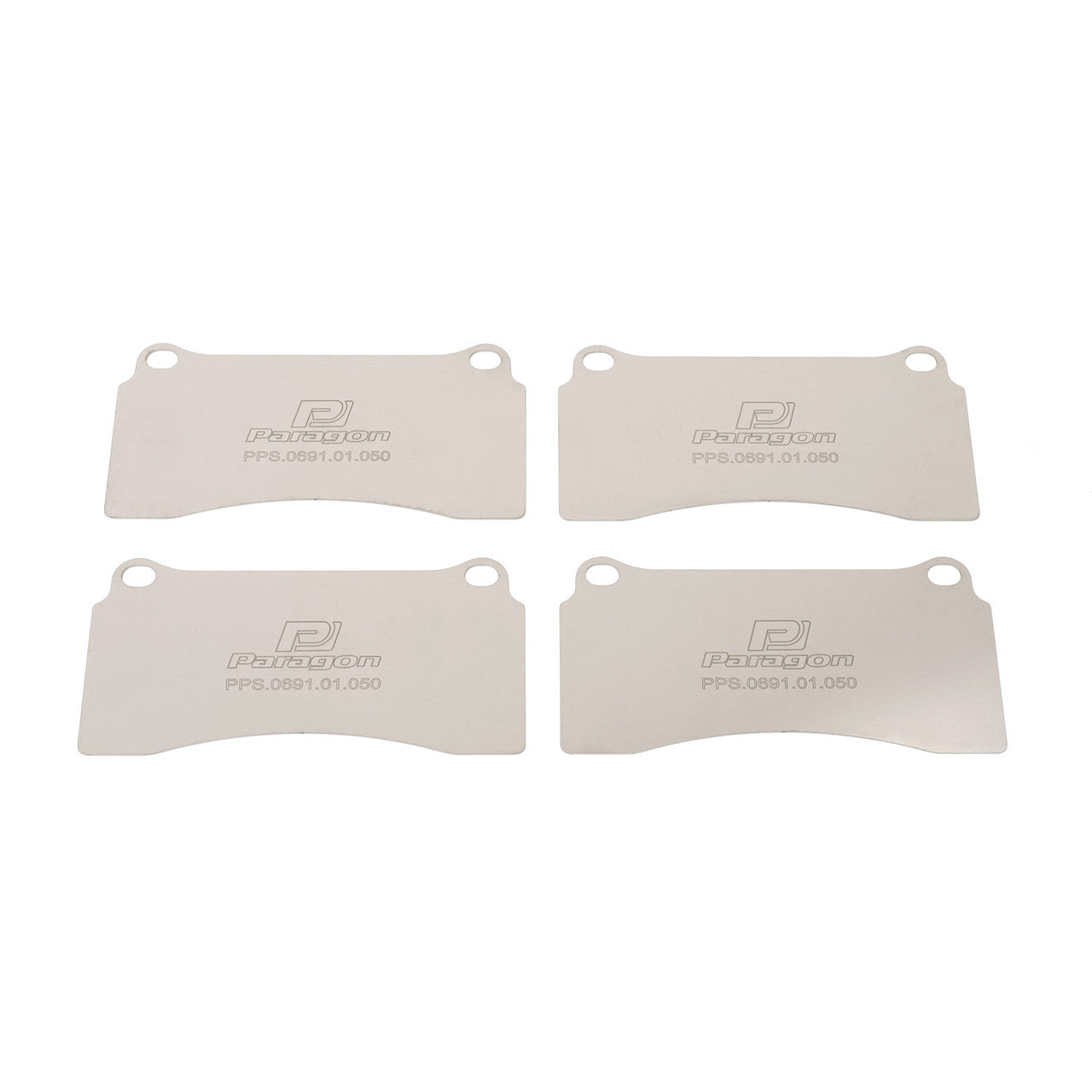
Titanium has roughly 1/4 the thermal conductivity of steel and significantly less than aluminium. Drop a thin titanium plate between the pad backing plate and the caliper piston, and you've installed a thermal bottleneck on the most critical link in the heat chain. The pad still gets hot — that's its job — but far less of that heat transfers through into the piston and the fluid behind it. Result: fluid stays cooler, pedal stays firm, brakes keep working through the session.
The other benefit is piston seal life. Caliper piston seals are rubber, and rubber degrades fast under sustained high temperature. Cutting the heat reaching the piston means the seals last longer — meaningful on track cars and cars with expensive BBKs where caliper rebuilds aren't a five-minute job.
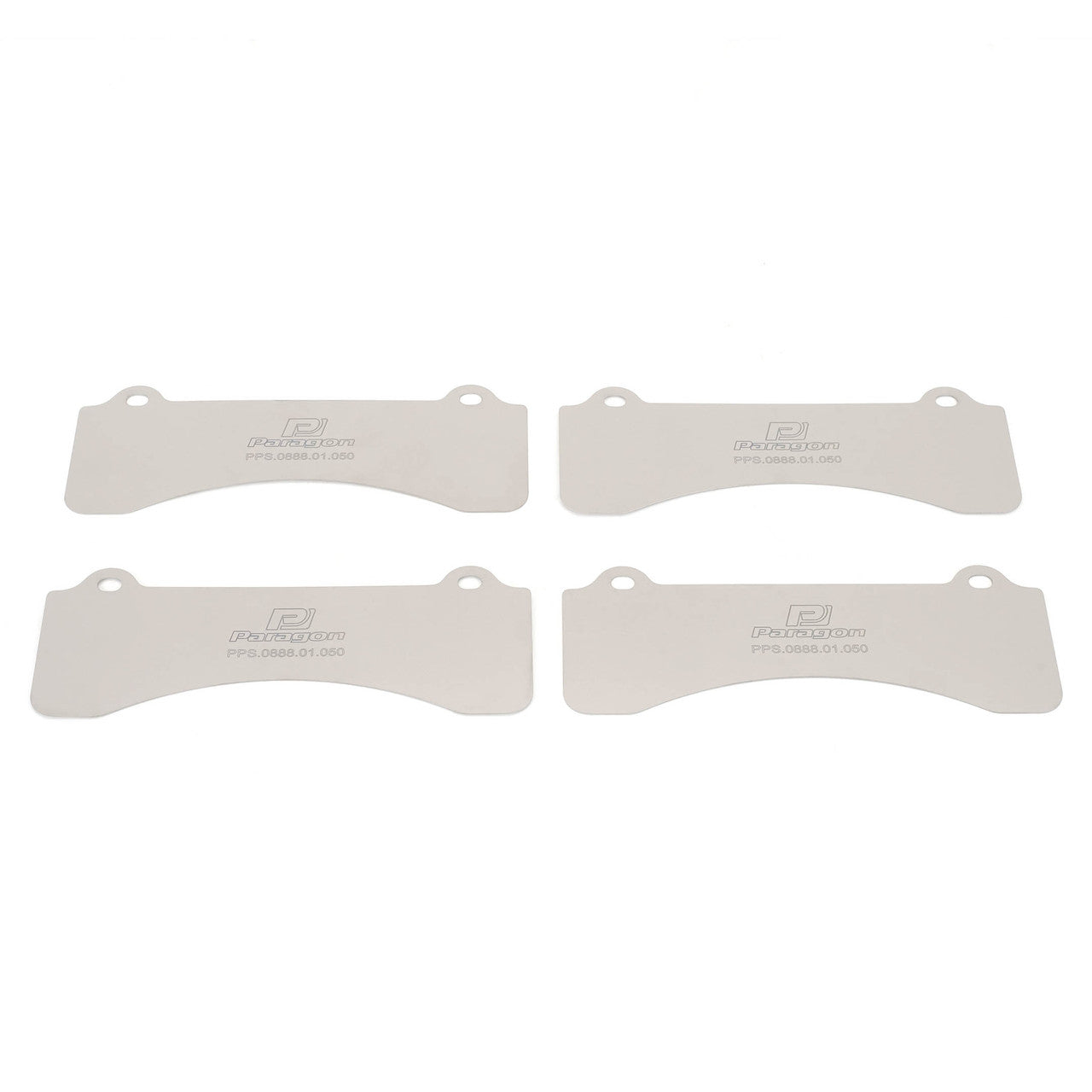
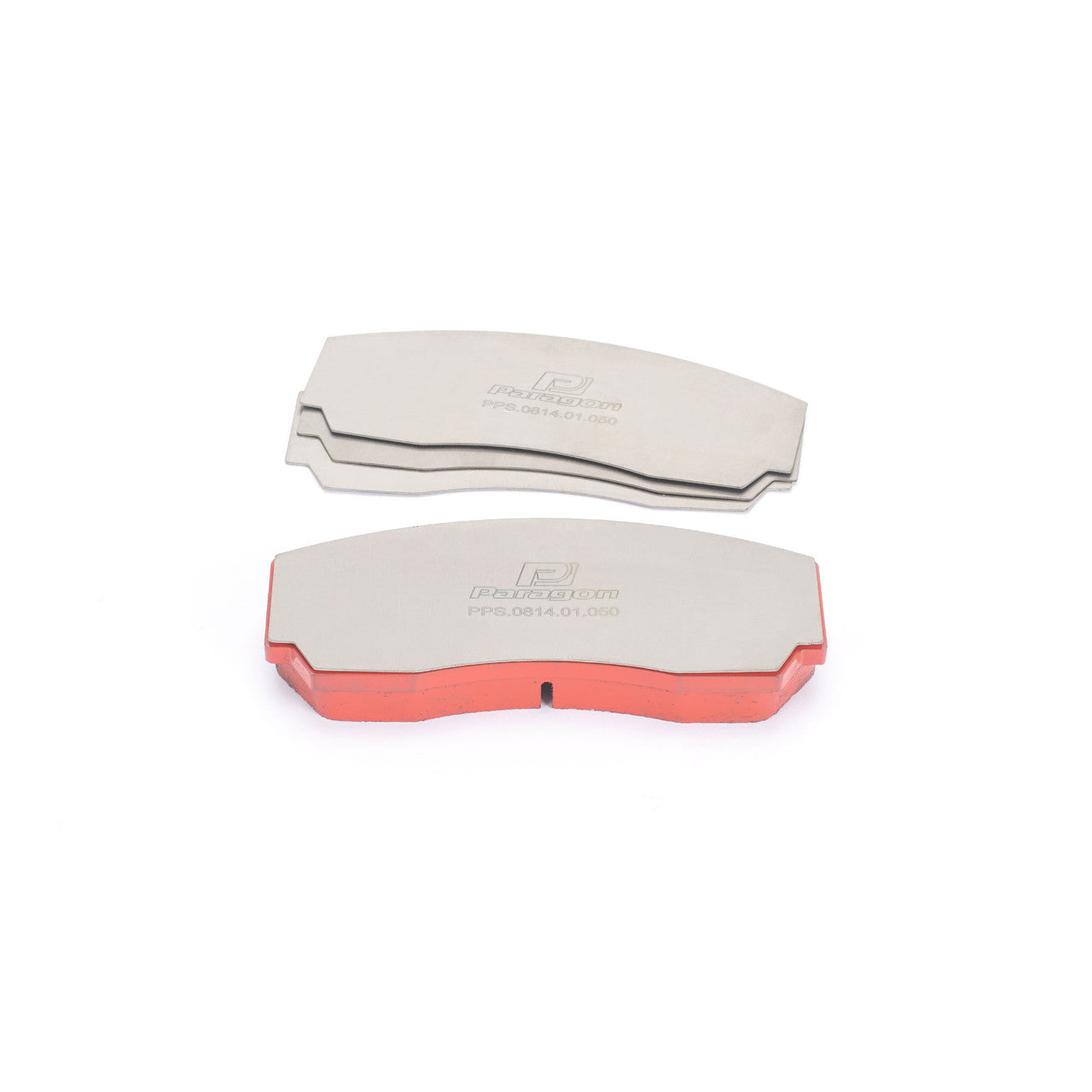
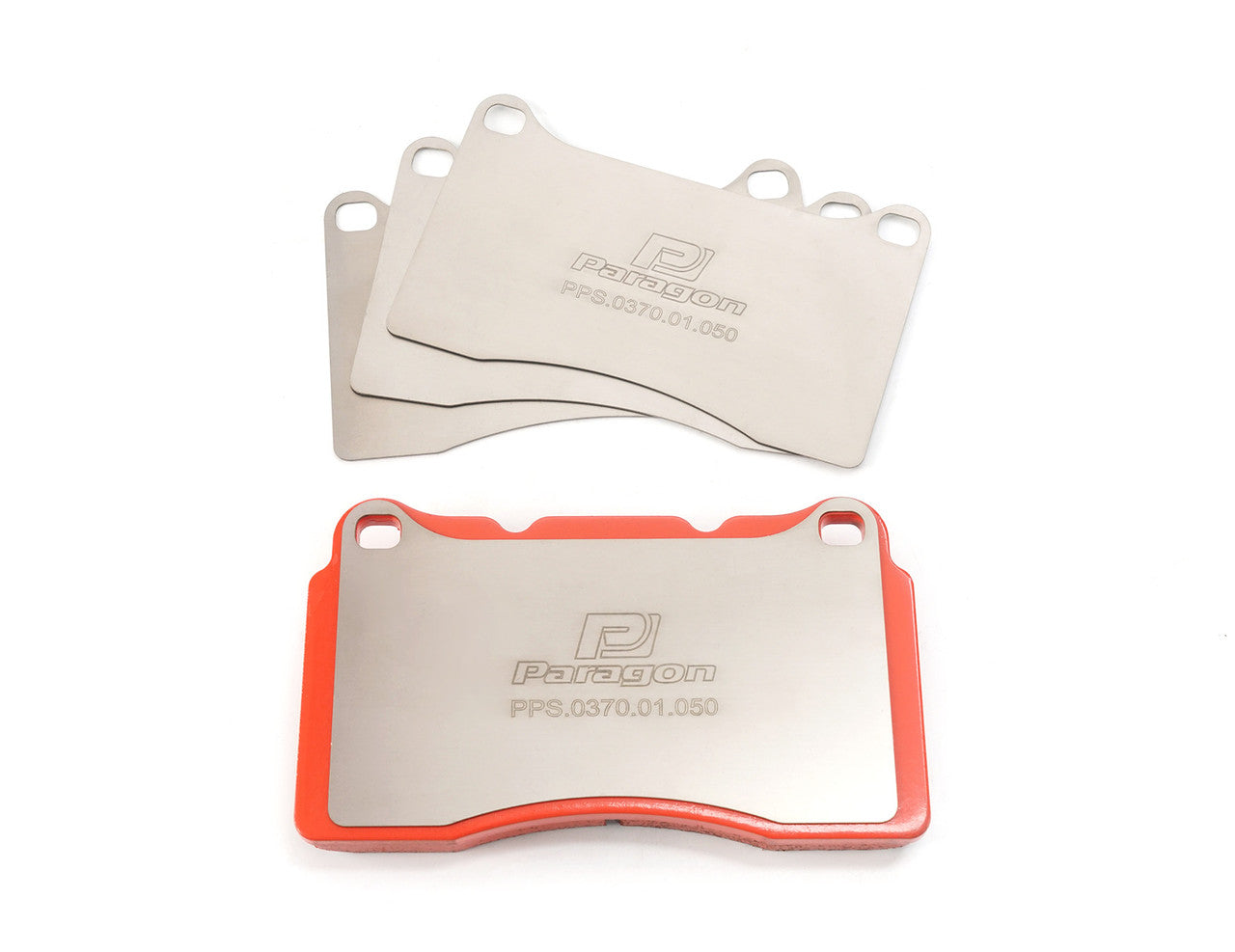
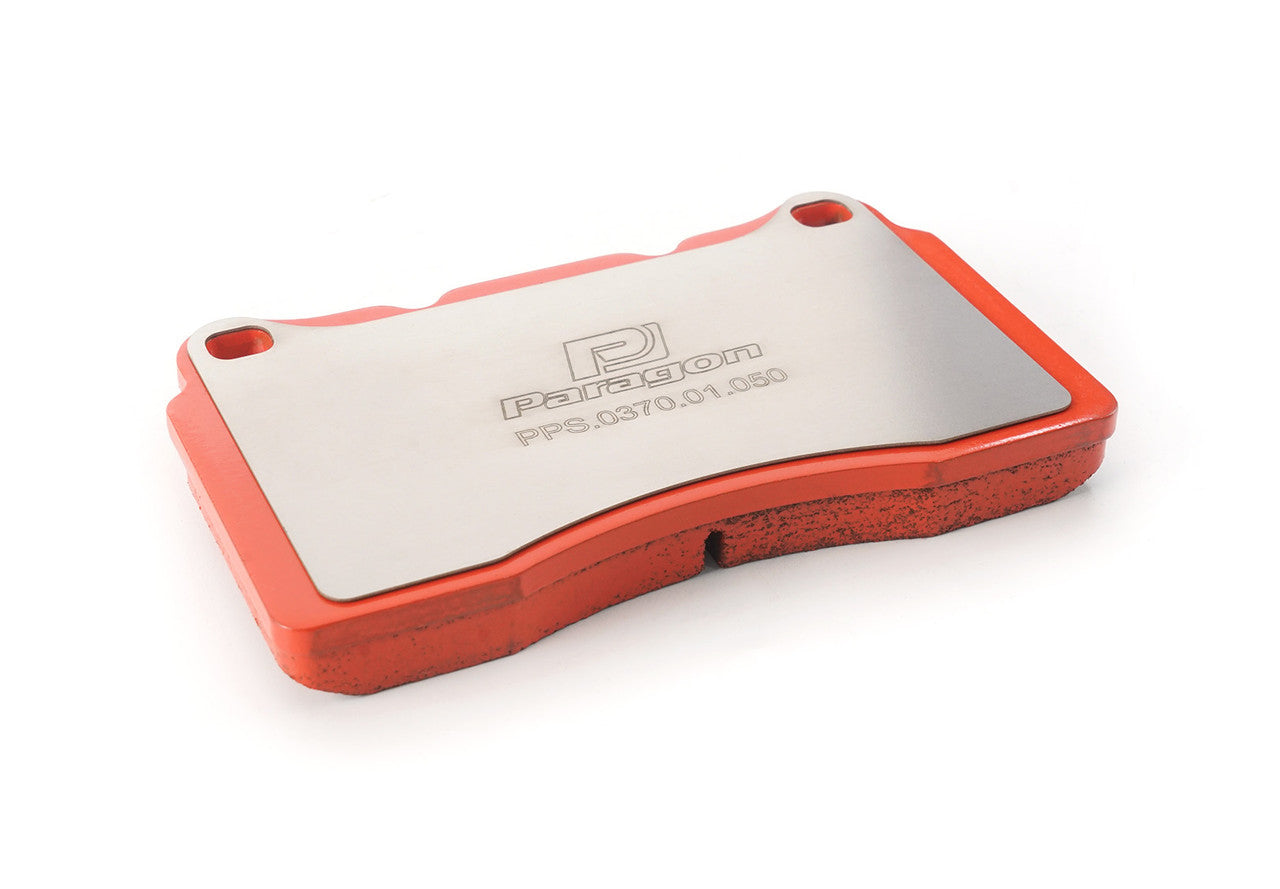
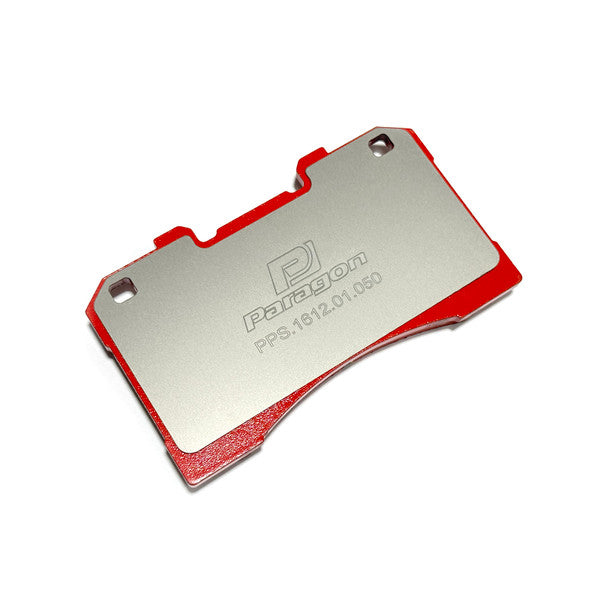
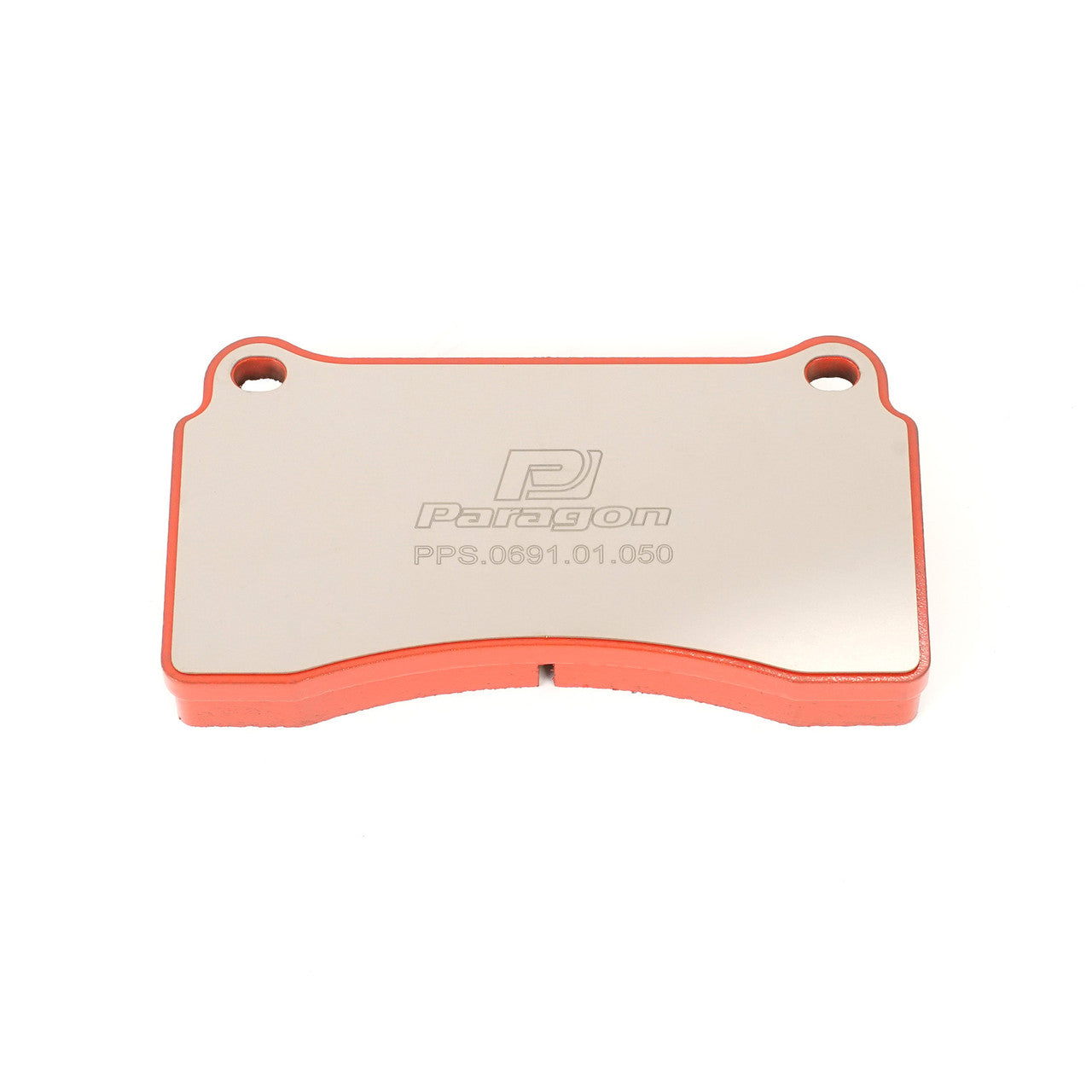
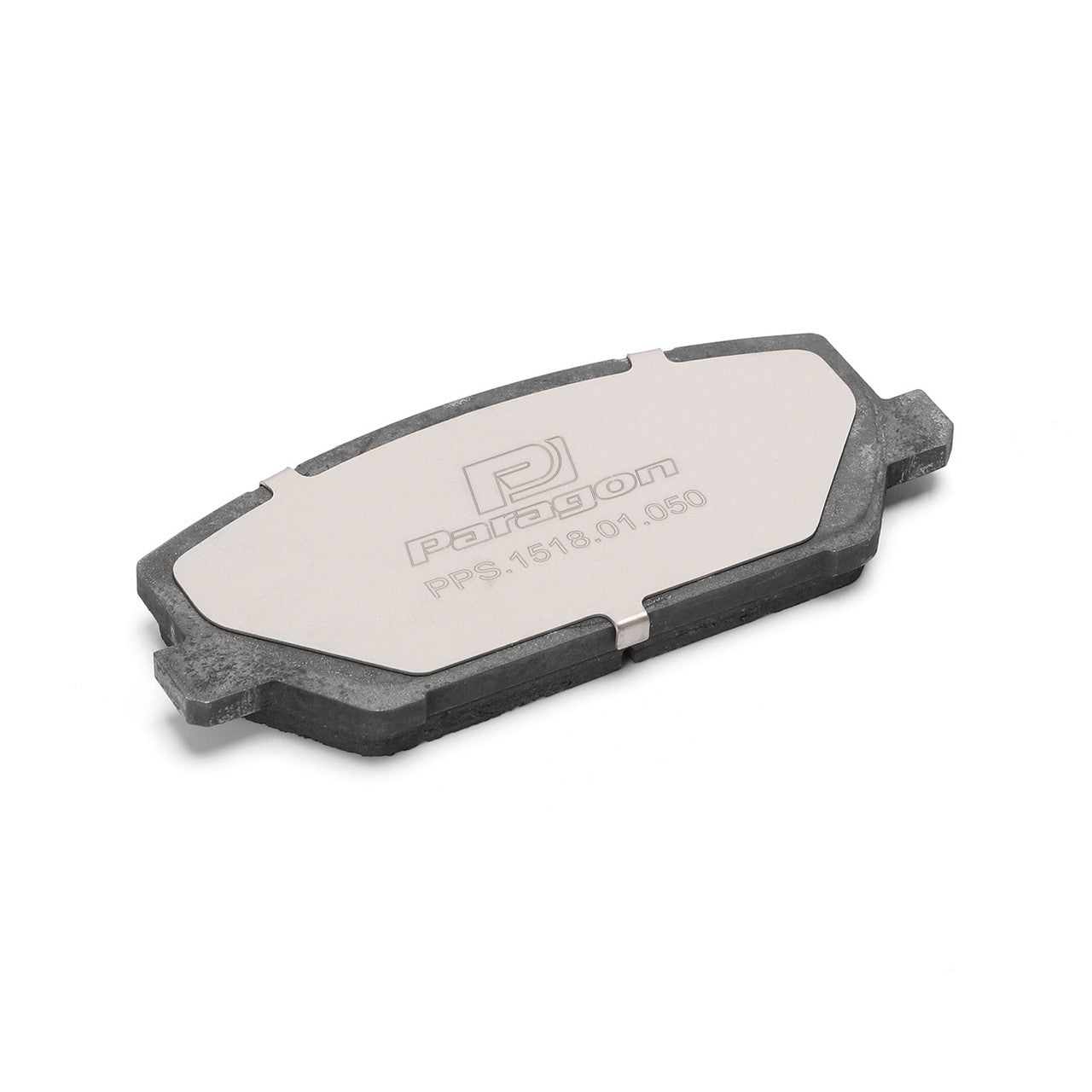
Paragon titanium shims are vehicle and pad-specific — the thickness and outline matches each pad's backing plate. They install behind the pad before fitting it into the caliper, sitting between the backing plate and the piston face. No modification to the caliper, no special tools, just one extra step during a normal pad swap.
When To Fit Titanium Shims
Honest answer: not every car needs them. Pick by use case.
You should fit titanium shims if:
- You've had a long pedal on track — fluid boiling mid-session is the textbook problem these solve. If you've felt the pedal go soft after a few hot laps, the heat path is the issue.
- You run aggressive pad compounds on a track car — DIXCEL Z, RA, RE or Specom-β generate more heat than street pads. The heat has to go somewhere; titanium stops it going into your fluid.
- The car is heavy and brakes hard — R35 GT-R, BMW M, AMG, big Audi RS, anything 1,700kg+ with serious power. Heavy cars dump enormous heat through the brakes and benefit most from breaking the conduction path.
- You're running a BBK and want to protect the investment — caliper seal life is a real cost over the life of a $5,000+ BBK. Titanium shims extend it.
- Your car has known fluid-boiling issues — FK8 Civic Type R, factory-Brembo R35 GT-R and 86 / BRZ all have well-documented fluid-temp issues at the piston on track. Titanium shims are the standard fix.
You probably don't need them if:
- The car is street-only with low-temp pads — DIXCEL Premium, EC or M Type on a daily commuter don't generate enough heat to boil fluid. Money better spent on lines or a fluid flush.
- You've never had pedal fade or long pedal — if the current setup works, the shims won't make a noticeable daily difference. They're a fix for a specific problem.
- You haven't done fresh fluid yet — old, moisture-laden fluid is the first thing to fix. A $45 fluid change is the cheaper diagnostic — if you still have problems after fresh fluid, then look at shims.
The Full Brake Thermal Stack
Titanium shims are one link in a wider thermal-management strategy. The full stack on a serious track car looks like:
- Brake ducts — feed cool air directly to the rotor face, attack heat at the source
- Two-piece floating rotors — aluminium hat isolates the friction ring's heat from the hub
- Slotted rotors — help degas the pad surface and refresh the friction face
- Titanium pad-to-piston shims — break the conduction path from pad to piston
- Anti-squeal shims behind the backing plate — secondary heat insulation plus vibration damping
- High-spec brake fluid — higher boiling point as the last defence in the chain
- Braided lines — keep the fluid pressurised consistently as the system heats
These are cumulative, not alternatives. A dedicated track car wants all of them. For most road-registered weekend track-day cars, titanium shims + fresh DIXCEL 328 Racing or Alcon Pro-660 fluid + a good pad is the high-impact combination that fixes most fluid-temp problems without going to brake ducts or a full BBK.
Install — One Extra Step During Pad Swap
Titanium shim installation is simply one additional layer added during a normal pad swap. With the caliper off and the old pads out:
- Clean the piston face and the back of the new pad backing plate
- Apply a thin film of brake-rated anti-seize or high-temp grease to both sides of the shim (some installers fit them dry — manufacturer instructions take precedence)
- Place the titanium shim against the piston, then fit the pad as normal — the shim sits between the pad backing plate and the piston
- Repeat on the opposite piston, refit caliper, bleed if the system was opened
No modification to the caliper, no special tools, no fitment difficulty beyond a standard pad swap. The shim simply lives behind the pad for the life of that pad set. When you replace pads next time, the shims can usually be reused if they're in good condition — check for cracks, warping or excessive scoring.
Vehicle Fitment
Paragon titanium shims are pad-specific — they match the backing plate outline of each pad set. Common fitments in stock for:
- Toyota 86, GR86 & Subaru BRZ (ZN6, ZN8, ZC6, ZD8)
- Honda Civic Type R (FK8 and FL5)
- Nissan R35 GT-R
- Subaru WRX & STI (VA, VB Brembo and earlier generations)
- Mitsubishi Lancer Evo X
- Toyota GR Yaris & GR Corolla
- BMW M2 / M3 / M4 (E9x through G8x)
- Porsche, Audi RS and other BBK-equipped Euro platforms
If your car isn't listed, contact us with your chassis and current pad set and we'll confirm whether Paragon has a fitment.
Frequently Asked
Do titanium shims reduce braking power?
No. The shim sits behind the pad, not on the friction surface. Pad-to-rotor contact is identical with or without the shim — only the heat conduction path between the pad and the piston changes. Stopping power is unaffected.
Will titanium shims affect pedal feel?
Minimally — most drivers report no perceptible difference. The shim adds a fraction of a millimetre to the total pad-to-piston stack, which is well within the caliper piston's normal travel range. Some drivers report a slightly firmer pedal because piston heat distortion is reduced, but it's a small effect.
How long do titanium shims last?
Indefinitely on a properly-maintained brake system. Titanium doesn't degrade thermally and doesn't fatigue under normal brake use. The most common reason to replace them is damage during a poor pad swap — getting one scored or bent during install — rather than wear. When you change pads, inspect the shim and reuse it if it's in good condition.
Can I run titanium shims AND anti-squeal shims together?
Yes — they do different jobs and stack together happily. Anti-squeal shims sit between the pad backing plate and the caliper piston for vibration damping plus secondary heat insulation. Titanium shims sit in the same position for primary heat reduction. A dedicated track setup often runs both: anti-squeal shim against the piston, titanium shim against the backing plate. Confirm the total stack height fits your caliper's piston travel range — most calipers have ample room.
What's the difference between titanium shims and anti-squeal shims?
Different jobs. Anti-squeal shims are thin stamped metal or metal/rubber composite that damp the vibration causing brake squeal — primarily a noise fix with a small thermal side-benefit. Titanium shims are specifically engineered as a thermal barrier — primarily a heat-management product. Anti-squeal for street comfort, titanium for track heat. A track car often wants both. See the anti-squeal shims collection for the other half of the pairing.
Do I need new shims every time I change pads?
Not necessarily. Paragon titanium shims are designed to be reused across multiple pad sets. Inspect them when you change pads — check for cracking, warping, deep scoring or excessive discolouration. If they're in good condition, refit them with the new pads. If damaged, replace.
Are titanium shims worth the money on a street car?
Honestly, usually no. If the car is street-only and has never had a pedal-fade issue, the money is better spent on fresh fluid, braided lines or a pad compound upgrade. Titanium shims are a track-specific fix — they solve a problem that street cars rarely encounter. The exception is heavy street cars (R35 GT-R, BMW M, AMG) that occasionally get pushed on a quiet road or weekend track day.
Will titanium shims stop my brakes squealing?
Not their primary job — titanium shims are a heat product. For squeal, you want anti-squeal shims (different design, vibration-damping focus). Many drivers run both. If your priority is quiet braking rather than thermal management, start with anti-squeal shims and matched DIXCEL pad sets.
Are Paragon titanium shims made of pure titanium?
Yes — Paragon's titanium shims use grade-appropriate titanium alloy for thermal resistance. Cheap "titanium-coloured" shims from less-reputable manufacturers are often anodised aluminium or coated steel, which doesn't deliver the thermal isolation. Paragon shims are the real material — verify on the product listing if you're unsure.
Supporting Mods
Titanium shims work best as part of a complete thermal-management approach:
- Paragon Performance — full Paragon range including two-piece floating rotors and anti-squeal shims
- Anti-Squeal Shims — the other half of the shim pairing for track cars that want both heat and noise managed
- Brake Fluid — Alcon Pro-System PRO-600 & PRO-660, DIXCEL 328 Racing & Ultra Racing. Higher boiling point is the last defence after the shim breaks the heat path.
- Brake Rotors — Paragon two-piece floating rotors are the natural pairing on a track car (thermal isolation at the rotor + thermal isolation at the piston)
- Brake Pads — DIXCEL Z, RA, RE and Specom-β compounds are where titanium shims earn their keep
- Brake Ducts — attack heat at the rotor face for the full thermal stack on a dedicated track car
- Brake Temperature Management — the full thermal-chain category covering ducts, shims, 2-piece rotors and the fluid pairing
Every Paragon titanium shim at Chicane Australia is supplied direct from the manufacturer, vehicle and pad-specific to ensure correct fitment, and shipped Australia-wide from the Central Coast, NSW. Contact us or email sales@chicaneaustralia.com.au to confirm the right shim for your car, pad set and BBK.
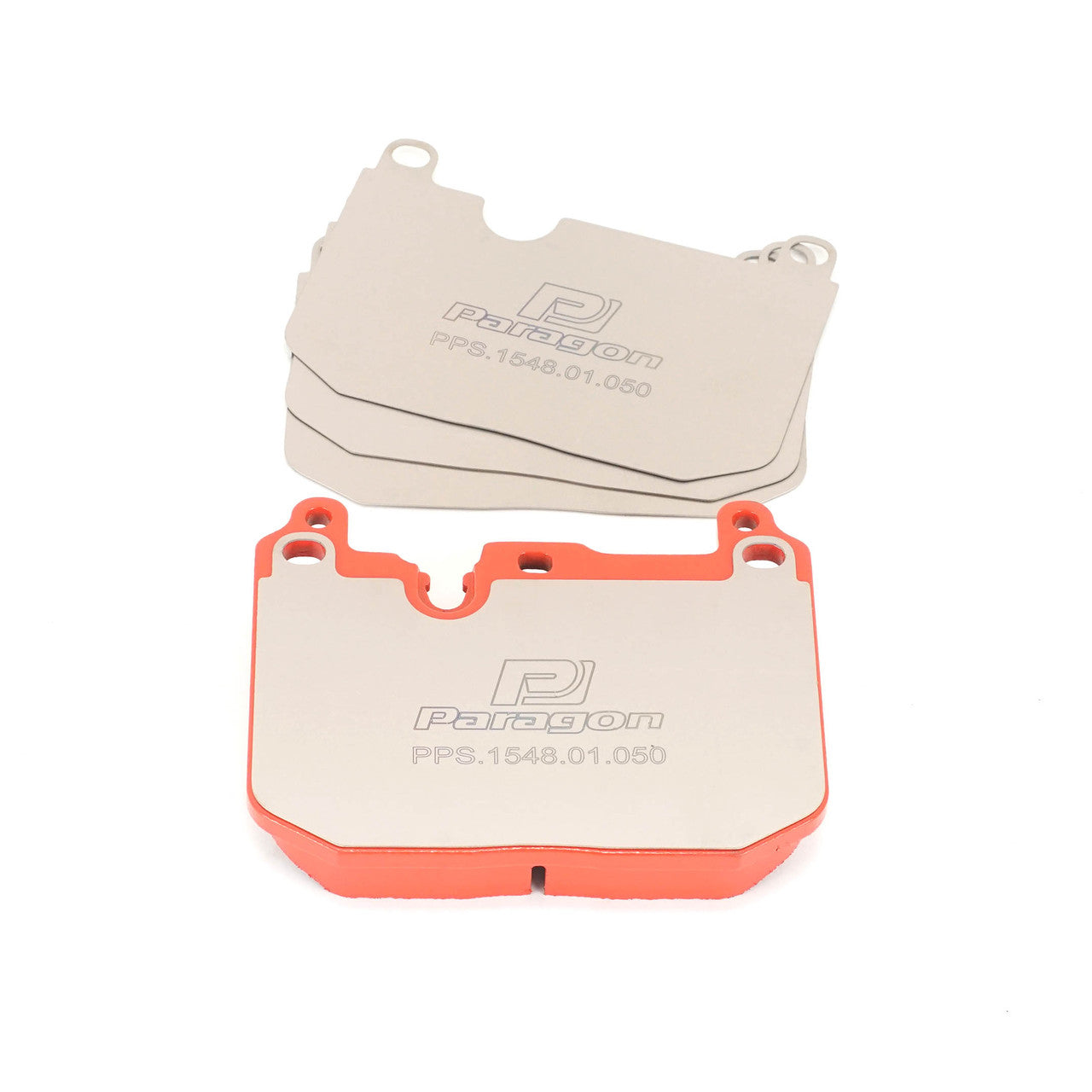
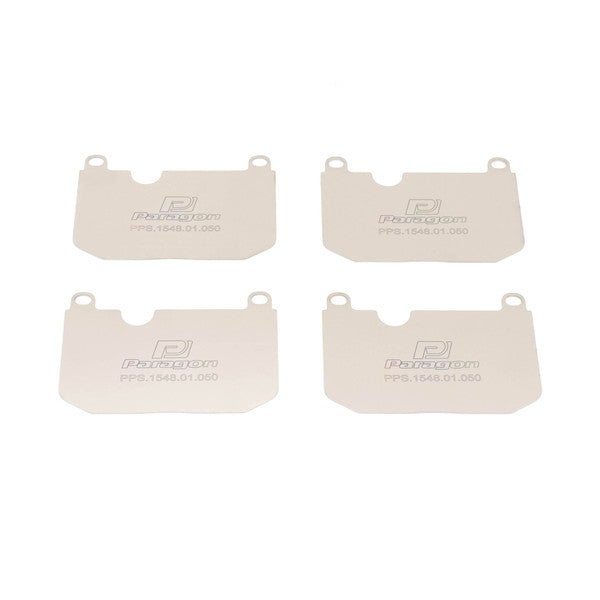
SKU: PPS.1548.01.050
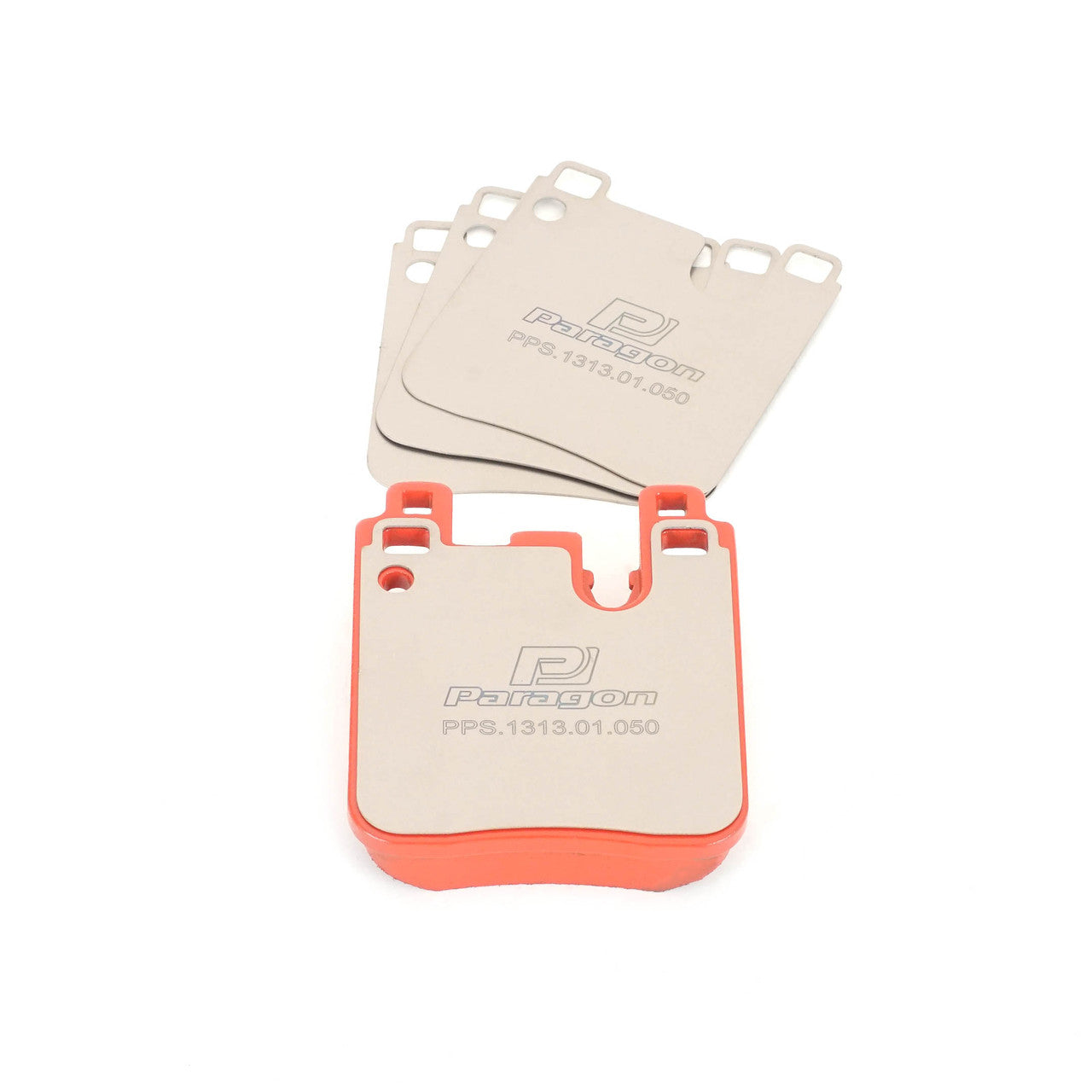
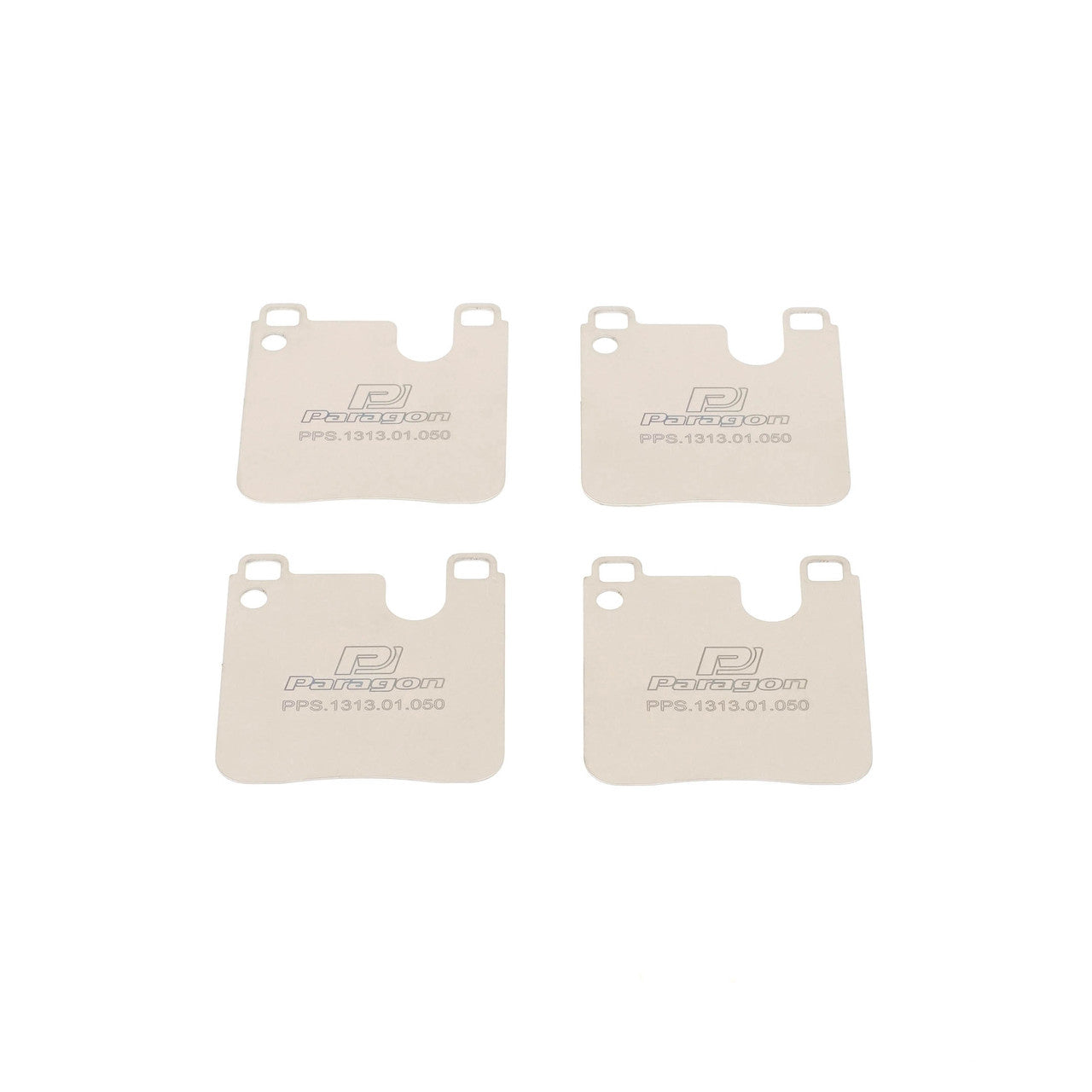
SKU: PPS.1313.01.050
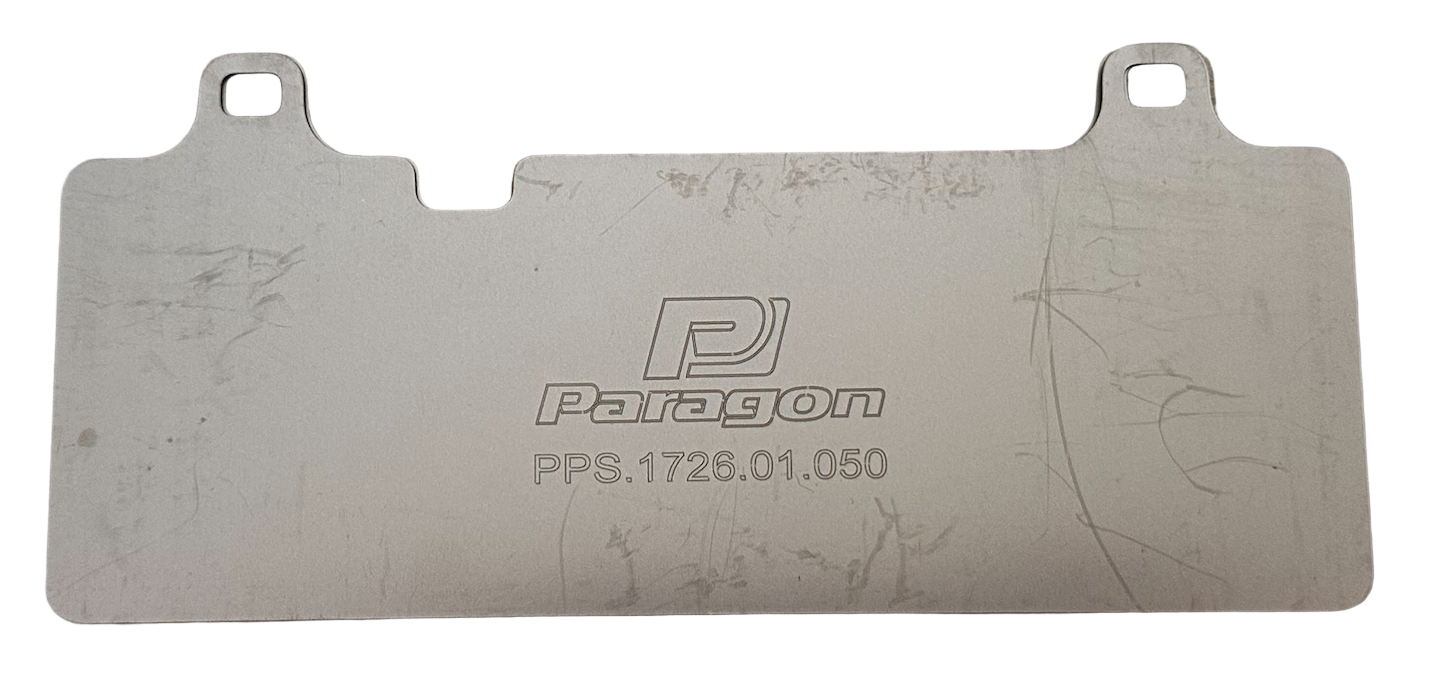
SKU: PPS.1726.01.050

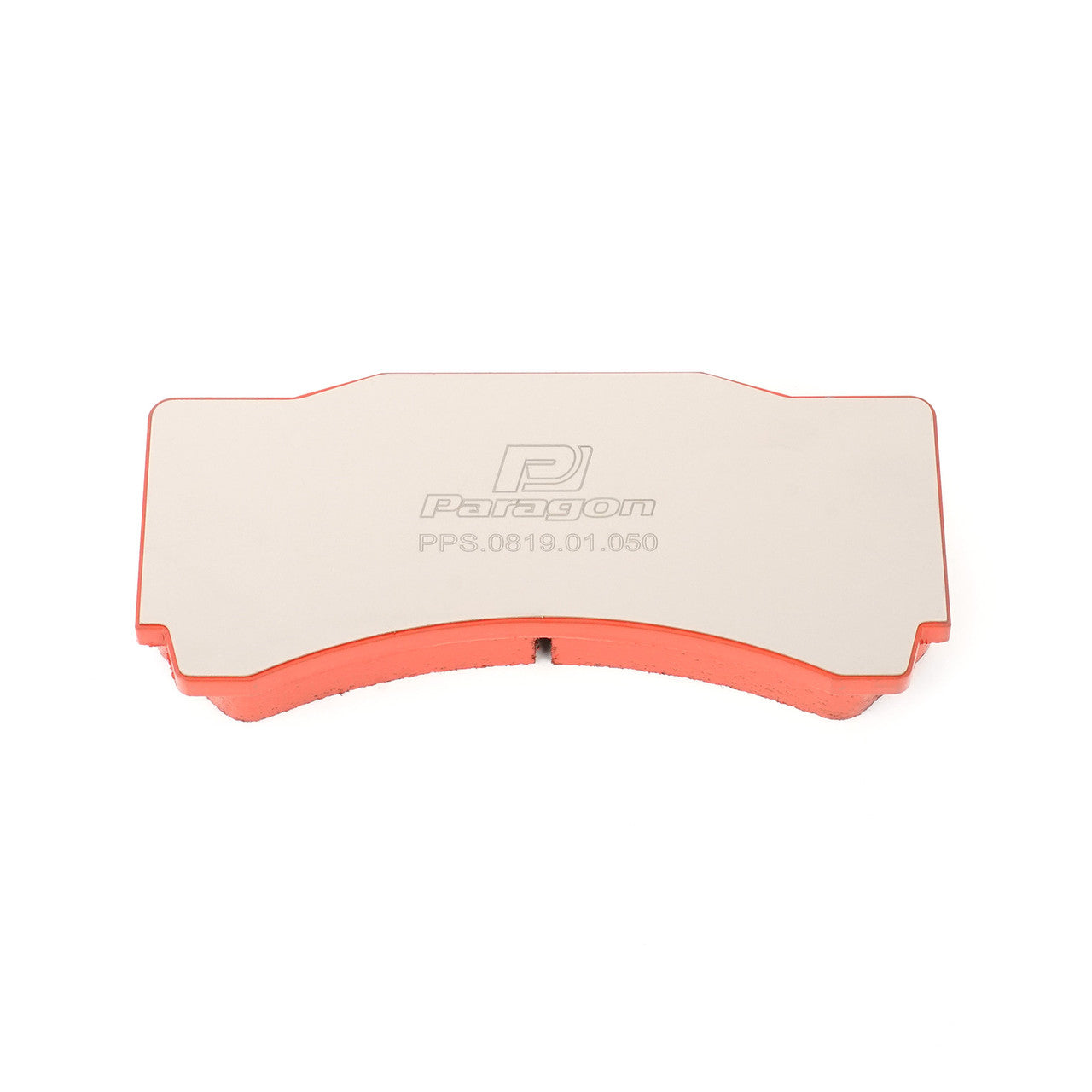
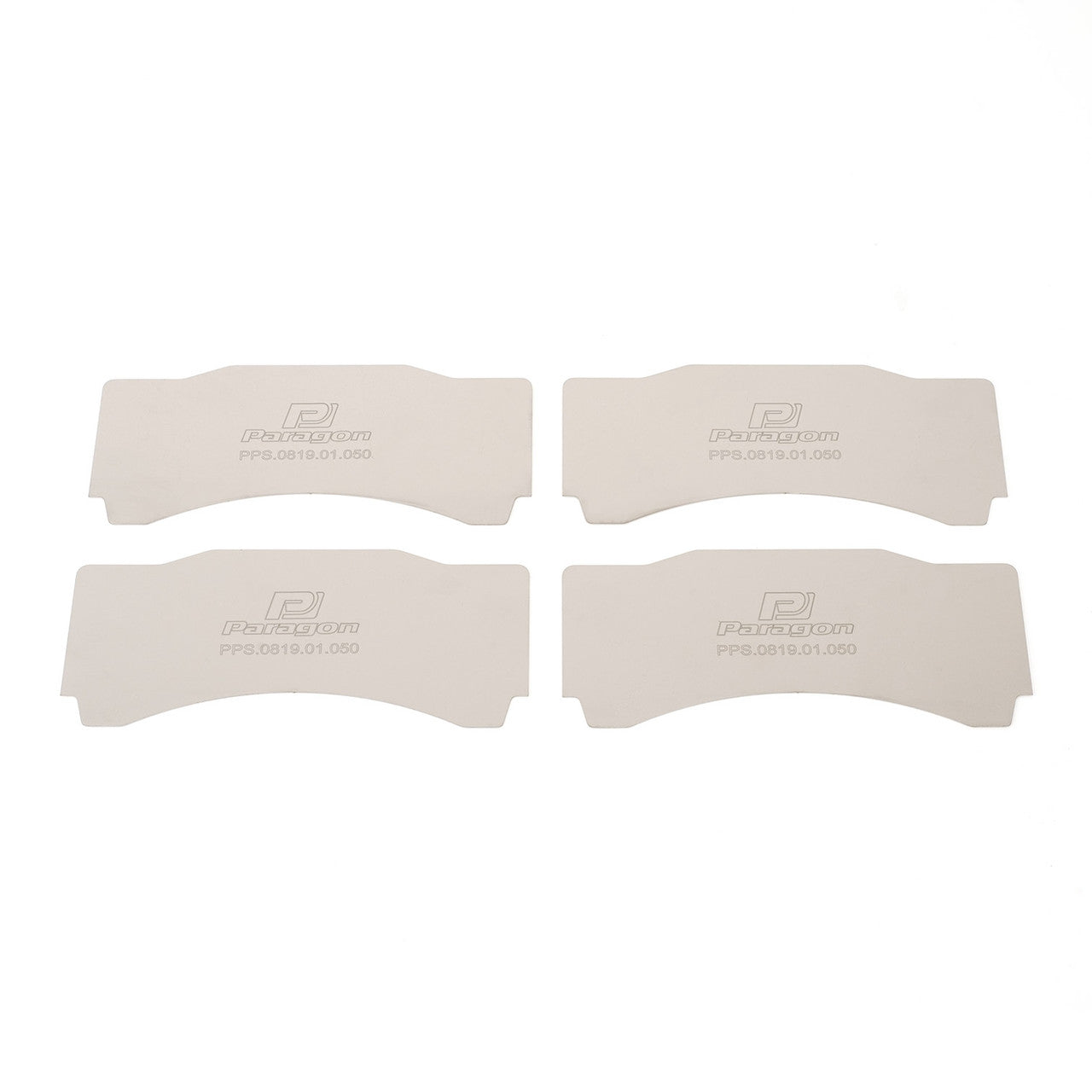
SKU: PPS.0819.01.050


SKU: PPS.1714.01.050
SKU: PPS.1518.01.050

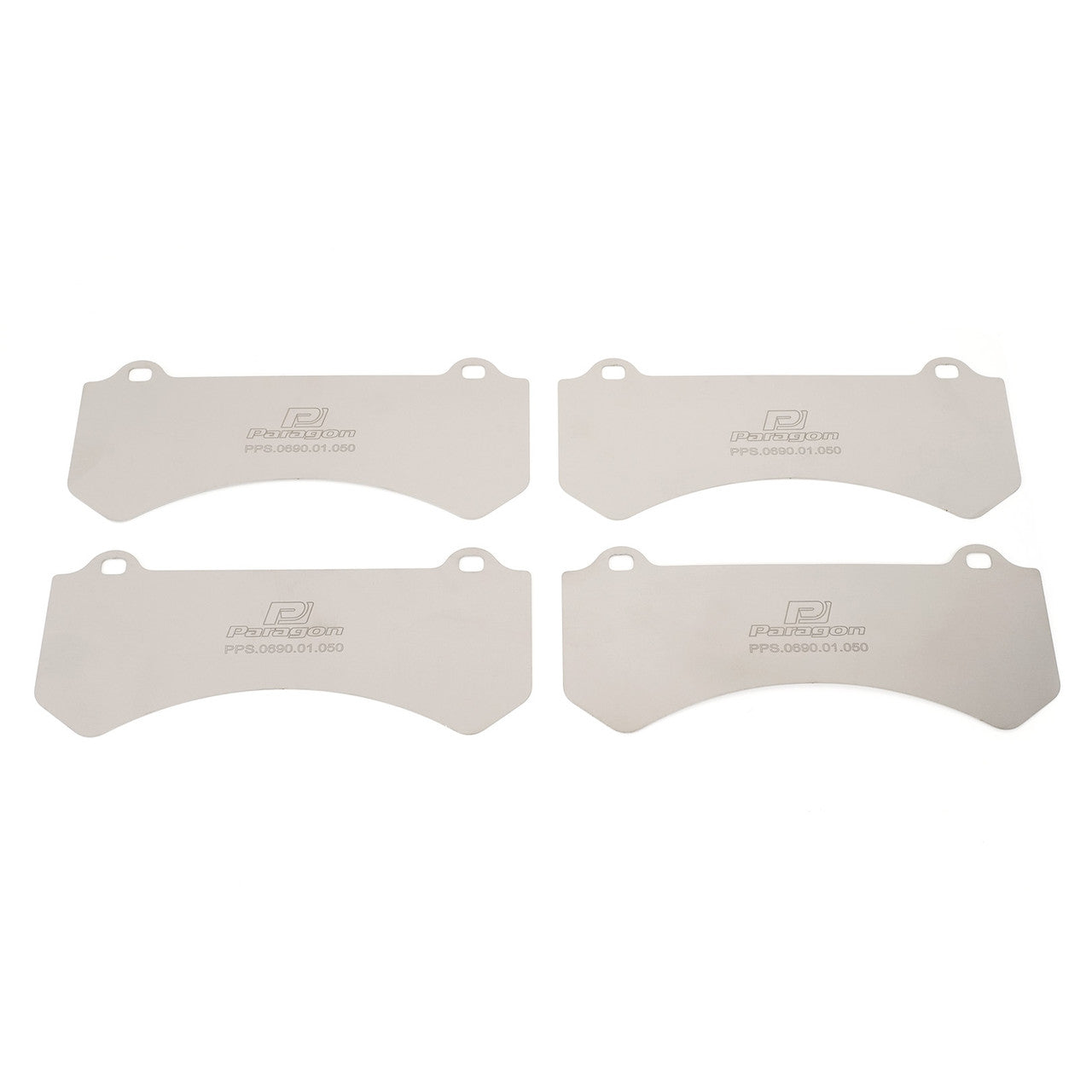
SKU: PPS.0690.01.050